When you’re looking to grow your Self-Managed Super Fund through property investment, understanding Limited Recourse Borrowing Arrangements isn’t just helpful—it’s essential. These specialized loan structures open doors to property acquisition that might otherwise remain closed, but they come with their own unique set of considerations, particularly when it comes to interest rates.
Understanding Limited Recourse Borrowing Arrangements: The Foundation of SMSF Property Investment
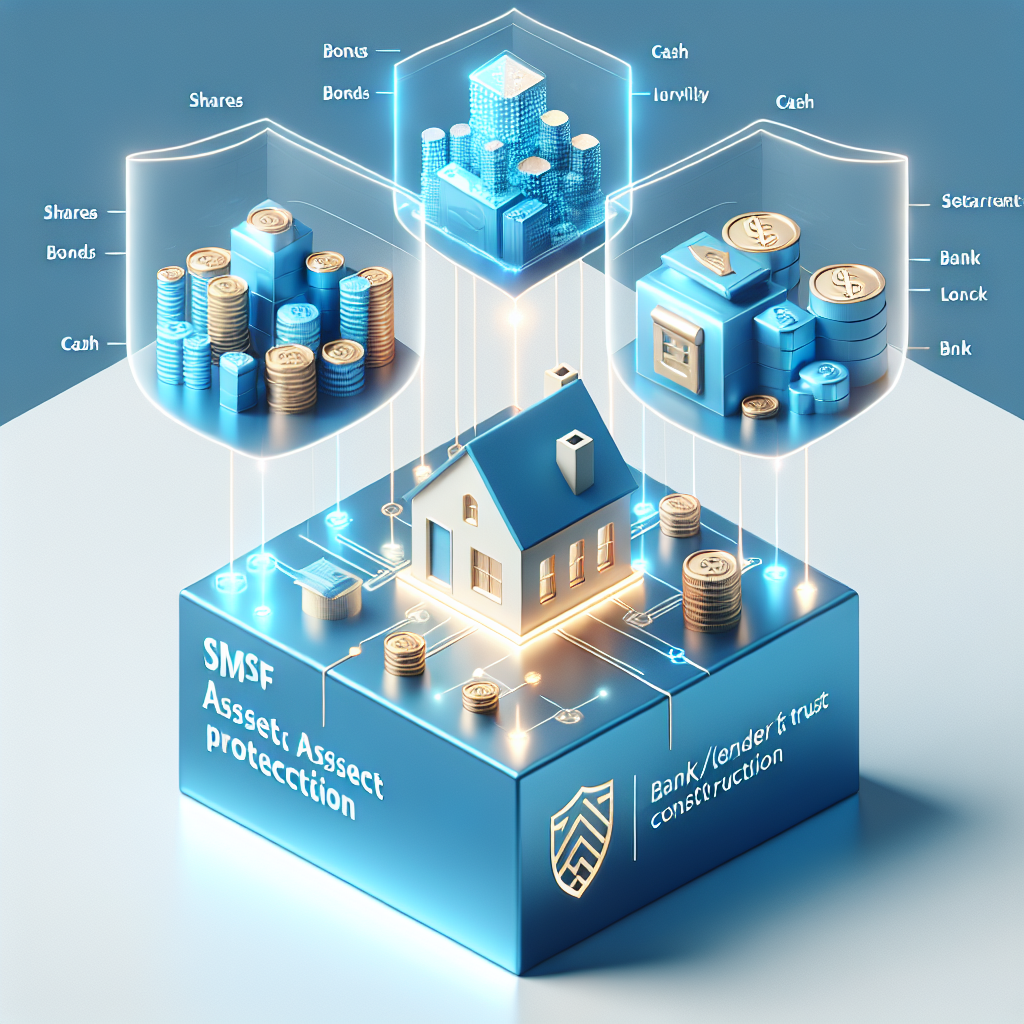
A Limited Recourse Borrowing Arrangement represents a distinctive financing structure designed specifically for SMSFs. Unlike traditional property loans where lenders can pursue your entire asset portfolio if things go wrong, an LRBA limits the lender’s recourse exclusively to the acquired asset itself. This protection mechanism ensures that if your SMSF defaults on the loan, other assets within your fund remain shielded from the lender’s reach.
The arrangement works through a carefully structured process. Your SMSF trustee obtains a loan from a third-party lender, using those funds to purchase an acquirable asset—typically real property. However, the asset isn’t held directly by your SMSF. Instead, it’s placed in a separate trust, commonly called a bare trust or holding trust, until the loan is fully repaid. This separation creates the legal framework that limits the lender’s recourse while maintaining compliance with superannuation law.
The power of this structure lies in its ability to multiply your investment capacity. If your SMSF holds $300,000 in assets, you’re not limited to purchasing a $300,000 property. Through an LRBA, you might secure a loan that enables you to acquire a property worth $500,000 or more, depending on your fund’s borrowing capacity. This leverage can significantly accelerate wealth accumulation within your retirement savings.
However, LRBAs come with strict compliance requirements. The borrowed money cannot be used to improve an asset—only to acquire it. The asset cannot be subject to multiple charges, and your SMSF’s trust deed must explicitly allow for borrowing. These regulations exist to protect the integrity of the superannuation system while providing legitimate opportunities for strategic investment.

The Real Factors Behind Your LRBA Interest Rate
When you receive a quote for an LRBA loan, the interest rate you’re offered reflects a complex calculation of risk, market conditions, and loan specifics. Understanding these factors helps you anticipate costs and identify opportunities for better terms.
The limited recourse nature fundamentally increases lender risk. Because the lender can only claim the specific asset securing the loan, they face greater potential loss compared to standard home loans. If a residential property owner defaults, the lender might pursue wage garnishment, other properties, or personal assets. With an LRBA, they get one shot—the property itself. This risk typically translates to interest rates that sit 0.5% to 2% higher than comparable residential loans.
Current LRBA interest rates for 2025 generally range from 6.24% for competitive offers on principal-and-interest loans to over 9% for higher-risk scenarios. The ATO’s safe harbour rates provide useful benchmarks: 8.95% for LRBAs used to acquire real property, down from 9.35% in the previous year. These safe harbour rates represent the maximum interest rates the ATO considers arm’s-length for related-party loans, offering a ceiling for what’s considered commercially reasonable.
Asset type significantly influences your rate. Residential properties typically attract more favorable rates than commercial properties because they’re considered less volatile and easier to sell if needed. A residential property in a capital city might secure a rate near 6.5%, while a commercial property could face rates exceeding 7.5%. Properties in regional areas often carry additional rate premiums due to perceived liquidity risks.
Your loan-to-value ratio plays a crucial role. LVRs below 70% generally unlock the most competitive rates. As you approach 80% LVR, expect rates to increase by 0.25% to 0.5%. Lower LVRs signal stronger financial position and reduced risk, making lenders more comfortable offering better terms. They also reduce repayment pressure and support more stable cashflow—factors that enhance long-term loan sustainability.
The term length you choose creates another dimension of rate variation. Shorter terms might carry slightly lower rates, while longer terms provide more breathing room for cashflow but potentially higher overall interest costs. Fixed-rate options offer certainty but typically command a premium over variable rates, while variable rates provide flexibility and potential benefits if market rates decline.
Market conditions in 2025 have created an interesting dynamic. With major banks having largely withdrawn from the SMSF lending space, a limited lender pool has emerged. This concentration can reduce competitive pressure, though specialized non-bank lenders like Aries Financial continue to offer competitive alternatives. Interest rate movements by the Reserve Bank flow through to LRBA pricing, though often with a lag and magnification effect.
Your SMSF’s financial position matters enormously. Most lenders require minimum fund balances between $200,000 and $250,000. Strong, reliable cashflow to meet repayments becomes essential. Lenders scrutinize your fund’s liquidity buffer—the reserve of readily accessible funds beyond what’s needed for immediate loan repayments. A substantial buffer demonstrates financial resilience and can translate directly into better rate offers.

Strategic Approaches to Securing Better LRBA Rates
The difference between a mediocre LRBA rate and an excellent one can mean tens of thousands of dollars over the loan term. Strategic negotiation begins with preparation and knowledge.
Obtaining multiple quotes stands as your most powerful negotiating tool. Lenders compete for quality borrowers, and demonstrating that you’re shopping around creates immediate leverage. When you approach each lender, you’re not just collecting numbers—you’re gathering intelligence about rate drivers, fee structures, and lending criteria that vary significantly across institutions.
Present solid financial projections that tell a compelling story. Show lenders why your investment represents good risk. Document your SMSF’s consistent contribution history, projected rental income, and conservative assumptions about property performance. When lenders see a trustee who thinks strategically and manages risk carefully, they become more willing to sharpen their pencils on rate and terms.
Understanding related-party lending standards opens another strategic avenue. If your SMSF borrows from a related party—perhaps from a member or their family trust—the loan must still meet arm’s-length requirements. The ATO’s safe harbour rates provide a ceiling, but there’s no minimum. A related-party loan at 6% might be perfectly acceptable if it reflects genuine commercial terms and is properly documented. This creates potential for significant interest savings while keeping more money within your broader financial structure.
Documentation requirements extend far beyond simple paperwork. Every aspect of your LRBA must be meticulously recorded: loan agreements, deed of charge, holding trust deed, and minutes documenting trustee decisions. Comprehensive documentation does more than ensure compliance—it demonstrates professionalism that lenders reward. When you present complete, organized documentation upfront, you reduce lender processing costs and risk perception, creating room for negotiation.
Consider the timing of your application strategically. Lenders often have quarterly or annual targets that create fluctuating appetite for new business. Approaching a lender late in their financial quarter might coincide with increased flexibility on terms. Similarly, market conditions shift. A period of declining interest rates or increased competition in the SMSF lending space creates advantageous conditions for borrowers.
Focus negotiations on interest rate first, before discussing other terms. Once you’ve secured a competitive rate, you can address loan features, offset accounts, and repayment flexibility. For large loan amounts, specialized lenders often negotiate harder than their published rates suggest. At Aries Financial, we’ve seen clients secure rates substantially below standard offerings simply by presenting strong applications and engaging in transparent dialogue about their investment strategy.
Real-World Impact: What LRBA Rates Mean for Your Retirement
The practical implications of LRBA interest rates extend far beyond monthly repayment figures. They fundamentally shape your investment returns and retirement outcomes.
Consider a typical scenario: your SMSF purchases a $600,000 investment property with a $420,000 LRBA loan at 7% interest over 25 years. Your monthly repayment sits around $2,975. Over the loan term, you’ll pay approximately $472,000 in interest—nearly as much as the original loan principal. Now imagine you negotiated that rate down to 6.5%. Your monthly payment drops to $2,840, and total interest falls to $432,000. That 0.5% reduction saves you $40,000 over the loan life.
The impact compounds when you factor in rental income and property appreciation. If your property generates $550 weekly rent ($2,383 monthly), a higher interest rate means more of that income services the loan rather than growing your fund balance. The difference between breaking even and building substantial equity often hinges on that half-percent or full-percent difference in your rate.
Property investors must balance these interest costs against the fundamental benefit of LRBAs: asset protection. The limited recourse structure means that if your investment property underperforms or market conditions deteriorate, your other SMSF assets remain protected. This protection has real value, even if it comes with a rate premium. The question becomes whether that premium is reasonable and minimized through effective negotiation.
Higher interest costs affect retirement outcomes through several mechanisms. They reduce the net contribution to your fund balance, slowing the compounding effect that powers long-term wealth accumulation. They increase the breakeven point for your investment, requiring stronger property appreciation or rental yields to justify the leverage. They also tighten cashflow, potentially limiting your ability to make additional contributions or diversify investments.
Yet despite these challenges, LRBAs remain powerful wealth-building tools when structured correctly. The key lies in thorough due diligence before committing. Stress-test your numbers against adverse scenarios: what if interest rates rise by 2%? What if rental income drops by 10%? What if property values stagnate for five years? If your strategy still makes sense under these conditions, you’ve likely found an investment worth pursuing.
Compliance represents another practical consideration with real implications. LRBA structures that fail to meet regulatory requirements can trigger severe penalties, including the loss of your fund’s complying status. This makes working with specialized lenders who understand SMSF regulations essential. The slightly higher rate from a knowledgeable lender often proves cheaper than the mistakes that come from working with providers unfamiliar with superannuation law.
Your LRBA Rate Shopping Checklist: Questions That Matter
Approaching lenders armed with the right questions transforms rate shopping from overwhelming to empowering. These inquiries help you compare offers accurately and identify hidden costs or restrictions.
Start with the fundamentals: “What is your current interest rate for an LRBA loan with my specific LVR and property type?” Ensure they quote both the interest rate and comparison rate, which includes fees and charges. Comparison rates reveal the true cost more accurately than headline rates alone.
Dig into fee structures: “What establishment fees, ongoing fees, and discharge fees apply?” LRBA loans often carry establishment fees between $1,000 and $3,000, plus annual account-keeping fees. Some lenders charge hefty discharge fees if you refinance or pay off the loan early. These fees can significantly impact your effective borrowing cost.
Ask about rate benchmarking: “How do you determine rate adjustments on variable loans?” Understanding whether rates track the Reserve Bank cash rate, a lender-specific benchmark, or some other mechanism helps you anticipate future changes and assess the transparency of the lender’s pricing.
Explore documentation requirements thoroughly: “What specific documents and structures do you require for compliance?” Some lenders have more streamlined processes than others. Complex requirements might signal either thoroughness or unnecessary bureaucracy—your judgment based on their responses matters.
Question loan features: “Do you offer offset accounts, redraw facilities, or the ability to make additional repayments without penalty?” These features, standard in many residential loans, remain less common in LRBA products but can provide valuable flexibility. An offset account linked to your SMSF transaction account can reduce effective interest charges substantially.
Inquire about approval timelines: “What is your typical timeline from application to settlement?” In the competitive property market, fast approvals can mean the difference between securing your target property and missing out. Lenders offering 1-3 business day approval timeframes provide significant strategic advantage.
The best practice for exploring LRBA pricing involves comparing at least three lenders across all dimensions—not just rates, but fees, features, service quality, and SMSF expertise. Create a spreadsheet that captures total loan cost over your intended holding period, including all fees and charges. Sometimes a loan with a slightly higher rate but lower fees proves cheaper overall.
Align financing terms with your investment goals. If you’re pursuing a long-term buy-and-hold strategy, prioritize rate stability and low ongoing fees over flexibility features. If you plan to refinance or pay down the loan quickly, minimize establishment and discharge fees even if it means accepting a marginally higher rate.
The Aries Financial Approach: Partnership Beyond Pricing
At Aries Financial, we’ve built our reputation on a philosophy that extends beyond simply offering competitive rates. We believe that SMSF lending should embody integrity, expertise, and empowerment—principles that guide every client relationship we develop.
Our commitment to integrity means transparent communication about what drives your interest rate and total loan cost. We don’t hide fees in fine print or surprise you with unexpected charges. We explain why your rate is what it is and what actions might improve it, whether through a larger deposit, shorter loan term, or stronger demonstrated cashflow.
Expertise in SMSF lending separates specialized providers from general lenders. We understand the nuanced compliance requirements, the ATO’s evolving guidance, and the practical challenges trustees face. This knowledge lets us structure loans that not only meet regulatory standards but optimize for your specific retirement investment strategy. When we offer SMSF loan solutions starting from 6.24% PI, that rate reflects our deep understanding of SMSF lending risk and our efficient processes that reduce costs we can pass to clients.
Empowerment through education forms the third pillar of our approach. We want you to understand your LRBA inside and out—not because we’re trying to make our jobs easier, but because informed trustees make better decisions that serve their retirement goals. When you comprehend what drives your borrowing cost, you can make strategic choices that minimize expenses and maximize returns over decades.
Our fast approval process within 1-3 business days demonstrates respect for your time and recognition that property opportunities don’t wait. This efficiency comes from streamlined systems, experienced assessment teams, and deep familiarity with SMSF structures. We know what makes a strong LRBA application, and we can move quickly without compromising on due diligence.
As one of Australia’s premier non-bank lenders specializing exclusively in SMSF financing, we’ve positioned ourselves as trusted partners in maximizing retirement investment potential through strategic property acquisition. This specialization matters because SMSF lending isn’t a side business for us—it’s our entire focus. Every system we build, every process we refine, and every team member we hire centers on serving SMSF trustees and property investors better.
The journey to building wealth through your SMSF involves countless decisions, and selecting the right LRBA financing partner ranks among the most consequential. The interest rate you secure today reverberates through decades of investment returns, affecting not just your property’s profitability but your overall retirement security and lifestyle.
Understanding what drives limited recourse borrowing interest rates transforms you from a passive rate-taker to an active negotiator. You recognize that your LVR, property type, fund balance, and timing all influence what lenders offer. You approach multiple lenders with confidence, armed with questions that reveal true costs and value. You structure your application to showcase your SMSF’s strengths and minimize perceived risk.
Most importantly, you partner with lenders who share your commitment to long-term success. The cheapest rate isn’t always the best deal if it comes with poor service, hidden fees, or compliance risks. The right LRBA financing balances competitive pricing with expertise, support, and alignment with your retirement vision.
Your SMSF represents decades of disciplined saving and planning. The properties you acquire through LRBAs should accelerate your path to retirement security, not complicate it. With knowledge, strategy, and the right partnerships, limited recourse borrowing becomes a powerful tool for building the retirement you’ve envisioned—one where financial freedom isn’t just a goal, but a reality you’ve systematically constructed.