The landscape of Self-Managed Super Fund (SMSF) lending is evolving rapidly, with significant regulatory changes set to reshape how trustees and lenders approach property investment through superannuation. As we move toward 2025, understanding these shifts isn’t just about compliance—it’s about protecting your retirement wealth and maximizing investment opportunities within an increasingly scrutinized framework.
Understanding SMSF Lending and Limited Recourse Borrowing Arrangements
Limited Recourse Borrowing Arrangements (LRBAs) have become a cornerstone strategy for SMSF trustees seeking to leverage their superannuation savings into property investments. These arrangements allow your SMSF to borrow money to acquire assets, typically property, while protecting the fund’s other assets from lender claims if things go wrong.
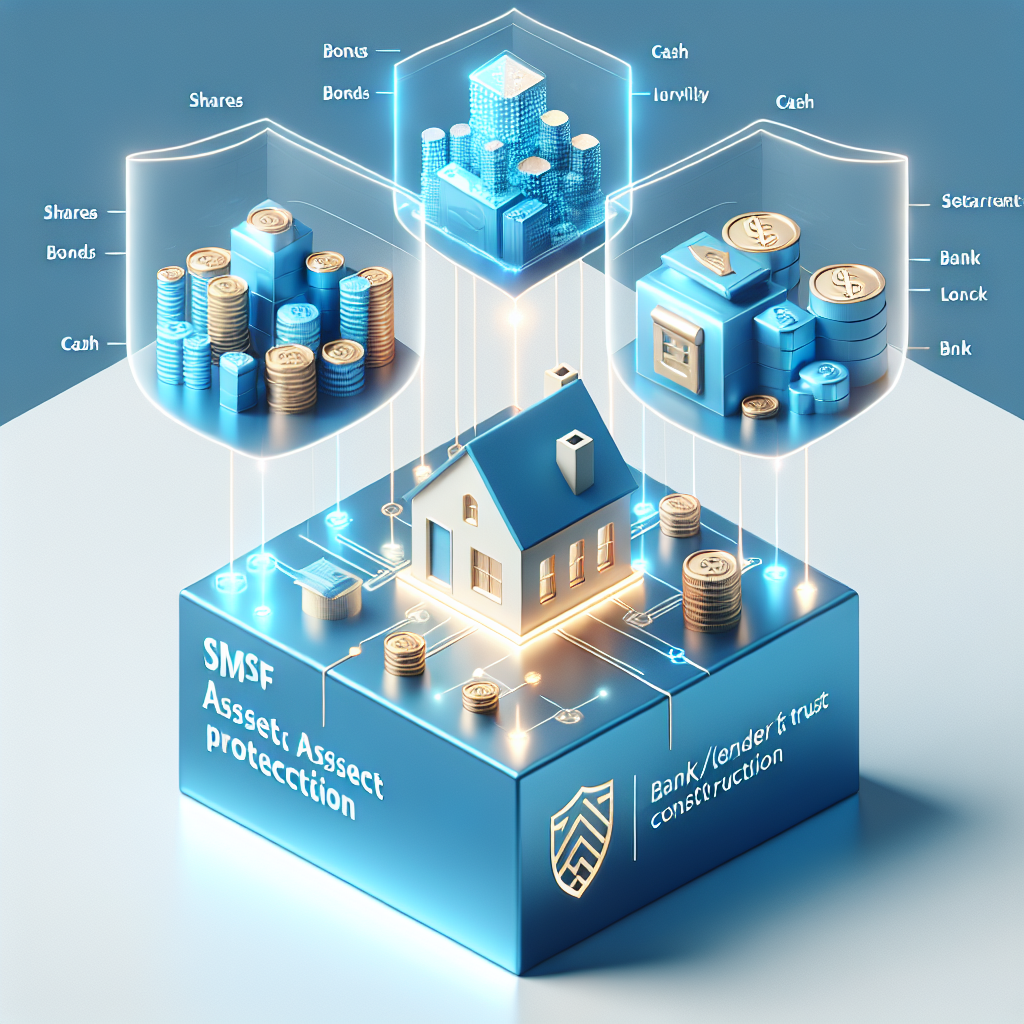
The mechanics of an LRBA are straightforward yet crucial. Your SMSF establishes a bare trust—a holding structure that legally separates the acquired property from your fund’s other assets. The SMSF borrows money to purchase the property, which is held in this bare trust until the loan is fully repaid. During this time, your fund makes loan repayments and receives any rental income, but the lender’s recourse remains limited solely to the property securing the loan.
This asset isolation creates a protective barrier. If your SMSF defaults on the loan, the lender can only claim the specific property purchased with that loan—not your fund’s shares, cash reserves, or other investments. This structure has made property investment through superannuation both safer and more attractive for countless Australian trustees.
However, the devil lives in the details. All LRBA transactions must occur on arm’s length terms—meaning the loan conditions must mirror what you’d find in the commercial market. The interest rate, repayment schedule, and loan terms cannot favor the SMSF trustee over what an independent third party would receive. This requirement prevents trustees from manipulating their fund’s financial position through artificially favorable loan arrangements with related parties.

The 2025 Regulatory Changes: What’s Coming
The Australian Securities and Investments Commission (ASIC) and the Australian Taxation Office (ATO) have introduced a comprehensive suite of regulatory changes that will fundamentally alter how SMSF lending operates. These changes follow years of concern about compliance standards and the need for greater transparency in superannuation borrowing.
Starting from 2025, all SMSFs must submit their annual returns electronically, with paper lodgments no longer accepted. This digital-first approach represents more than administrative convenience—it signals the ATO’s commitment to real-time monitoring and data-driven compliance oversight. The ATO has simultaneously shortened lodgment timeframes, compressing the window for trustees to prepare and submit their documentation.
The phased implementation schedule introduces progressively stricter requirements. The ATO’s 2025-26 corporate plan reinforces its focus on improving SMSF regulatory oversight, particularly around lodgments, fund audits, and compliance with borrowing arrangements. This heightened scrutiny means every loan document, trust deed, and transaction record must withstand professional examination.
Record-keeping requirements have intensified dramatically. Trustees must now maintain comprehensive documentation showing that borrowings are genuine and that acquired assets meet eligibility criteria. Written loan agreements must clearly outline all terms, including interest rates, repayment schedules, and security arrangements. These documents must demonstrate arm’s length conditions beyond any reasonable doubt.
Governance enhancements form another critical pillar of the new framework. The ATO now expects trustees to document their investment strategies more thoroughly, including how borrowing aligns with the fund’s overall objectives and risk profile. This documentation must show that trustees have considered the fund’s cash flow capacity to meet loan repayments alongside member benefit obligations.
Interest rate compliance has become particularly sensitive. Using the ATO’s safe harbor interest rates can help SMSF trustees avoid potential compliance issues under the Non-Arm’s Length Income (NALI) rules. If your fund pays an interest rate below market benchmarks to a related party lender, the entire income from the acquired property could be taxed at the highest marginal rate—a devastating financial consequence.
Practical Implications for Trustees and Lenders
These regulatory changes create ripple effects throughout the SMSF lending ecosystem, impacting both trustees managing their retirement savings and lenders providing the capital.
For trustees, the increased due diligence burden means you cannot simply sign loan documents and move forward. You must actively understand every clause, every obligation, and every compliance requirement. Consider the story of Margaret, a 58-year-old trustee who purchased a commercial property through her SMSF in 2023. When her fund auditor reviewed the transaction in 2024, they discovered her related-party loan agreement lacked proper documentation of arm’s length terms. Margaret spent months rectifying the situation, incurring legal fees and stress that could have been avoided with proper upfront compliance.
The documentation burden has multiplied. Trustees must now maintain detailed records showing how they determined the property’s market value, how they assessed rental yields, and how they evaluated the loan’s impact on their fund’s liquidity. Every decision requires a paper trail that demonstrates prudent financial management and regulatory awareness.
Lenders are experiencing their own transformation. Over 60 percent of advice files reviewed in ASIC’s SMSF review failed to demonstrate compliance with the best interests duty—a sobering statistic that has prompted lenders to reassess their risk appetite and due diligence processes. Traditional banks, already cautious about SMSF lending, have become more conservative, with some reducing their exposure to this market segment entirely.
This shift has opened opportunities for specialized non-bank lenders who understand SMSF regulations deeply. However, even these lenders are implementing more rigorous assessment procedures. They’re scrutinizing trust deeds more carefully, verifying that bare trust arrangements comply with superannuation law, and ensuring custodian trustees properly understand their obligations.
The lending appetite shift manifests in several ways. Some lenders have tightened their loan-to-value ratios, requiring larger deposits from SMSFs. Others have extended their assessment timeframes to accommodate enhanced due diligence. Interest rates have adjusted to reflect the increased compliance costs and perceived risks associated with the evolving regulatory environment.
SMSF lending does have a few more moving parts than traditional mortgages—bare trusts, LRBAs, contribution rules, and regulatory compliance overlays among other requirements. These complexities mean that both trustees and lenders must invest in education and expertise to navigate the landscape successfully.
Compliance Touchpoints and Pitfalls to Avoid
Understanding where compliance issues typically arise helps trustees maintain their fund’s integrity and avoid costly penalties. Several touchpoints demand particular attention as we approach 2025.
Non-arm’s length terms represent the most common pitfall. When your SMSF borrows from a related party—perhaps a family member or another entity you control—the loan must mirror commercial conditions exactly. An interest rate even slightly below market benchmarks can trigger NALI provisions, converting your fund’s concessionally-taxed income into income taxed at 45%. This isn’t theoretical—the ATO actively reviews related-party loans and has issued numerous penalties for this violation.
Poor record-keeping destroys otherwise compliant arrangements. You must keep appropriate documentation, such as a written loan agreement, that shows you have made a genuine borrowing to acquire an asset. This documentation includes the original loan agreement, all amendments, evidence of repayments, annual reviews of loan terms, and correspondence with lenders. Missing even one piece can raise red flags during an audit.
Trust deed compliance issues often surface during property transactions. Your SMSF’s trust deed must explicitly permit borrowing and property investment. Many older trust deeds lack the necessary provisions for LRBAs, meaning trustees inadvertently breach their own governing documents. Before entering any borrowing arrangement, have a legal professional review your trust deed to confirm it supports your investment strategy.
The 90-day benefit payment borrowing exception creates confusion. Your SMSF can borrow money for a maximum of 90 days to meet benefit payments due to members, and the amount you borrow cannot exceed 10 percent of your SMSF’s total assets. This short-term borrowing operates under different rules than LRBAs, and mixing these frameworks creates compliance nightmares.

Here’s a practical compliance checklist for 2025 readiness:
Before Borrowing:
- Confirm your trust deed permits borrowing and property investment
- Document your investment strategy, including how borrowing aligns with fund objectives
- Obtain independent valuations for properties you intend to purchase
- Verify all parties understand their roles in the bare trust arrangement
- Ensure your custodian trustee is properly established and documented
During the Loan Term:
- Maintain comprehensive records of all loan payments and communications
- Conduct annual reviews of your loan terms to confirm they remain arm’s length
- Document rental income, expenses, and how they affect fund liquidity
- Keep records of all property maintenance and management decisions
- Ensure offset accounts, if used, comply with ATO guidelines on genuine arrangements
Annual Compliance:
- Submit returns electronically within required timeframes
- Engage a qualified SMSF auditor who understands LRBA complexities
- Review your investment strategy annually and update as needed
- Maintain organized digital files of all LRBA-related documentation
- Stay informed about regulatory updates through professional channels
Common mistakes extend beyond paperwork. Some trustees fail to consider their fund’s cash flow when taking on debt. You must service loan repayments from rental income and fund contributions without compromising your ability to pay member benefits when they fall due. Overleveraging your SMSF creates financial stress and potential compliance breaches.
Forward-Looking Best Practices
Success in the evolving SMSF lending environment requires proactive management and continuous learning. Trustees who thrive will be those who view compliance not as a burden but as a framework for smart decision-making.
Maintaining up-to-date records should become habitual, not reactive. Implement a digital filing system where every loan document, trust deed, property valuation, and compliance certificate lives in an organized, searchable format. Cloud-based systems offer redundancy and accessibility, allowing you and your advisors to access critical documents whenever needed.
Using formal LRBA structures isn’t optional anymore—it’s essential. Work with legal professionals who specialize in SMSF law to establish proper bare trust arrangements. These structures must clearly identify the custodian trustee, specify the asset being acquired, and outline the relationship between all parties. Cutting corners with template documents downloaded from the internet exposes you to significant risk.
Staying informed about regulatory updates requires systematic effort. Subscribe to ATO updates, follow ASIC announcements, and maintain relationships with professionals who monitor the compliance landscape. The regulatory environment will continue evolving beyond 2025, and trustees who build learning into their routine will adapt more successfully than those who react to changes after they occur.
Consider the approach of David, a business owner who established his SMSF in 2018. David treats his fund like his business—with regular board meetings (even though he’s the sole trustee), documented decisions, and quarterly reviews of compliance status. When the 2025 changes were announced, David’s SMSF was already positioned to meet the new requirements because his disciplined approach had established robust practices years earlier.
Professional relationships matter enormously. Build a team including a qualified SMSF auditor, a knowledgeable accountant, and a legal advisor familiar with superannuation law. These professionals should communicate with each other, creating a coordinated approach to your fund’s management. The cost of professional advice pales in comparison to the penalties and stress that result from compliance failures.
Education empowers better decisions. Attend SMSF seminars, complete online courses, and read industry publications. Understanding the “why” behind regulations helps you make better strategic choices rather than simply following rules mechanically. This knowledge also helps you identify when advisors provide questionable guidance.
Planning for the 2025 phase-in means taking action now. If your fund has an existing LRBA, schedule a comprehensive review with your legal and accounting team. Ensure all documentation meets the new standards, update any deficient agreements, and create a compliance calendar that tracks all your lodgment and review obligations.
For trustees considering new property investments, factor the enhanced compliance requirements into your decision-making. The time between application and settlement has extended as lenders conduct more thorough due diligence. Budget additional funds for legal reviews and documentation preparation. These costs are investments in your fund’s long-term viability.
Navigating Change with Integrity and Expertise
The regulatory changes reshaping SMSF lending by 2025 represent a maturation of Australia’s superannuation system. While complexity has increased, so too have the protections that safeguard trustees and members from poor practices and excessive risk.
This evolution aligns perfectly with the philosophy that underpins successful retirement investing: integrity, expertise, and empowerment. Integrity means embracing compliance not as bureaucratic burden but as ethical practice that protects your retirement savings. When you maintain arm’s length terms, keep meticulous records, and follow regulatory requirements, you’re building a fund that can withstand scrutiny and serve its intended purpose.
Expertise becomes increasingly valuable in this environment. Understanding the technical aspects of LRBAs, recognizing compliance touchpoints, and navigating the relationship between superannuation law and property investment separates successful trustees from those who struggle. This expertise isn’t about becoming a legal expert yourself—it’s about knowing enough to ask the right questions and engage the right professionals.
Empowerment emerges from knowledge and preparation. Trustees who understand the regulatory landscape make confident decisions aligned with their retirement goals. They don’t fear audits or reviews because they’ve built compliant structures from the ground up. They see opportunities where less-informed investors see only obstacles.
The specialized nature of SMSF lending demands partners who live and breathe these regulations daily. As the market evolves, the gap widens between generalist lenders who occasionally handle SMSF transactions and specialists who focus exclusively on superannuation borrowing. This specialization matters because the stakes are high—your retirement security.
Looking ahead, the trustees who thrive will be those who embrace the discipline that comes with self-management. They’ll maintain their education, update their practices, and build relationships with professionals who share their commitment to excellence. They’ll view the 2025 changes not as obstacles but as opportunities to strengthen their fund’s foundation.
Your SMSF represents decades of work, discipline, and planning. Protecting that investment means staying ahead of regulatory changes, understanding your compliance obligations, and working with specialists who bring deep expertise to every transaction. The path forward requires diligence, but for those willing to invest the effort, the rewards of strategic property investment through superannuation remain compelling.
As Australia’s regulatory framework continues maturing, trustees who combine financial ambition with compliance discipline will find themselves best positioned to maximize their retirement investment potential. The 2025 changes mark not an ending but a new chapter in the SMSF lending story—one where informed, prepared trustees continue building wealth while navigating an increasingly sophisticated regulatory environment.