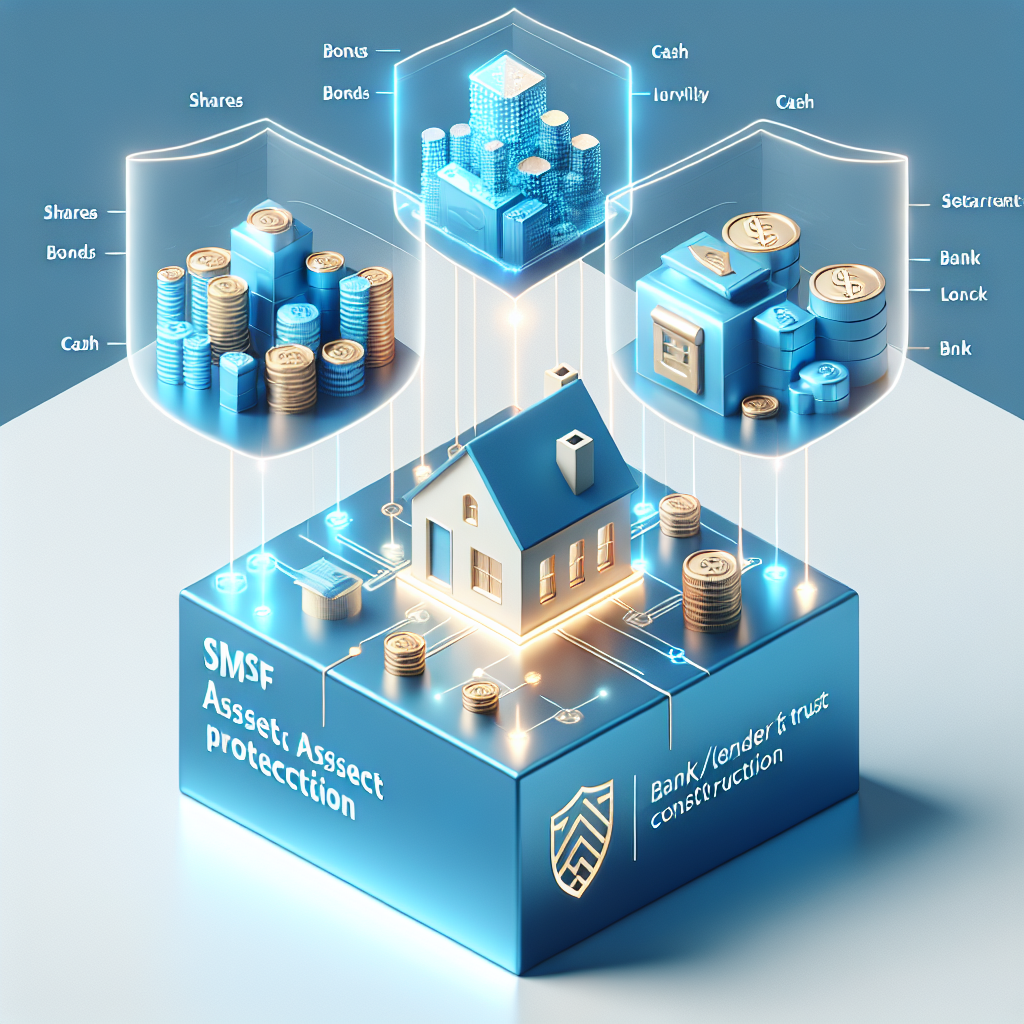
Self-Managed Super Fund (SMSF) trustees seeking to grow their retirement savings through property investment often turn to Limited Recourse Borrowing Arrangements (LRBA). This specialized financing strategy allows SMSFs to purchase assets using borrowed funds while protecting the fund’s other assets from lender recourse. For many trustees, LRBAs represent a powerful tool to leverage their superannuation into substantial property investments that might otherwise remain out of reach.
The appeal is straightforward. Instead of waiting years to accumulate enough cash to purchase a property outright, an SMSF can borrow funds to acquire investment property today. The property generates rental income, benefits from potential capital growth, and receives favorable tax treatment—all within the superannuation environment. However, this opportunity comes with strict compliance requirements that many trustees misunderstand, leading to costly mistakes that can jeopardize their entire retirement strategy.

Understanding the 10% Rule and Primary Borrowing Limits
One of the most frequently misunderstood aspects of SMSF borrowing restrictions involves what many refer to as the “10% rule.” This confusion stems from how this rule actually applies in practice, and getting it wrong can lead to serious compliance breaches.
The 10% rule specifically applies to short-term borrowing for operational purposes, not property acquisition. Under superannuation law, an SMSF can borrow up to 10% of its total asset value for a maximum period of 90 days to meet immediate benefit payments or to cover the settlement of security transactions. This is a temporary liquidity measure, completely separate from the LRBA structure used for property purchases.
Where trustees often stumble is assuming this 10% limitation applies to property investment borrowing. It doesn’t. When borrowing through an LRBA for property acquisition, the loan amount is instead limited by the lender’s loan-to-value ratio (LVR) requirements and the fund’s capacity to service the debt. Most SMSF lenders typically offer LVRs between 70-80% for residential property, meaning the fund needs to contribute at least 20-30% of the property’s value as a deposit from existing fund assets.
Recent market developments have pushed these boundaries even further. Some specialized SMSF lenders now offer loans up to 90% LVR on residential property without requiring Lender’s Mortgage Insurance (LMI), opening doors for funds with smaller cash reserves. However, higher leverage always carries higher risk, and trustees must ensure their fund maintains adequate liquidity to service the loan and meet member obligations.
The real restriction isn’t about a percentage of total assets—it’s about ensuring the borrowing arrangement serves the sole purpose of providing retirement benefits to members and doesn’t compromise the fund’s ability to meet its obligations. This means maintaining sufficient cash flow to cover loan repayments, property expenses, and member benefits while staying within all regulatory boundaries.
The Intersection of In-House Asset Rules and LRBA
Beyond the confusion around the 10% rule, trustees frequently run into trouble with in-house asset regulations when structuring their borrowing arrangements. The in-house asset rules limit an SMSF’s investment in related-party assets to no more than 5% of the fund’s total asset value. This seemingly simple rule becomes complex when combined with LRBA structures.
An in-house asset includes any loan made to, or investment in, a related party of the SMSF—such as fund members, their relatives, or associated businesses. When an SMSF borrows money through an LRBA, the source of that loan matters significantly. If the loan comes from a fund member or related party, it must comply with strict safe harbor provisions, including market-rate interest, adequate security, and documented loan terms. Even with these safeguards, related-party loans can quickly push a fund over the 5% in-house asset threshold.
Consider this common scenario: An SMSF with $500,000 in total assets borrows $300,000 from a member to purchase property. If the loan terms don’t meet safe harbor conditions, the entire $300,000 loan becomes an in-house asset, immediately breaching the 5% limit (which would cap in-house assets at $25,000). Even if the loan meets safe harbor conditions initially, changes in asset values or loan balances can inadvertently create breaches over time.
Trustees also make the mistake of thinking they can use personal assets as security for SMSF loans or provide personal guarantees. This is strictly prohibited under SMSF borrowing restrictions. Asset separation is fundamental—the SMSF’s loan must be secured only by the asset being acquired, with no recourse to other fund assets or personal assets of members. Any arrangement that breaches this separation invalidates the LRBA and creates a serious compliance issue.
At Aries Financial, we’ve seen trustees unknowingly breach these rules by accepting family loans without proper documentation or using personal properties as additional security. Our approach emphasizes integrity in every transaction, ensuring loan structures are compliant from day one and protecting trustees from these common pitfalls.
Structuring a Compliant LRBA
Getting the structure right is non-negotiable when it comes to SMSF borrowing. A compliant LRBA requires specific legal arrangements that differ significantly from standard property loans, and every element must align with superannuation law.
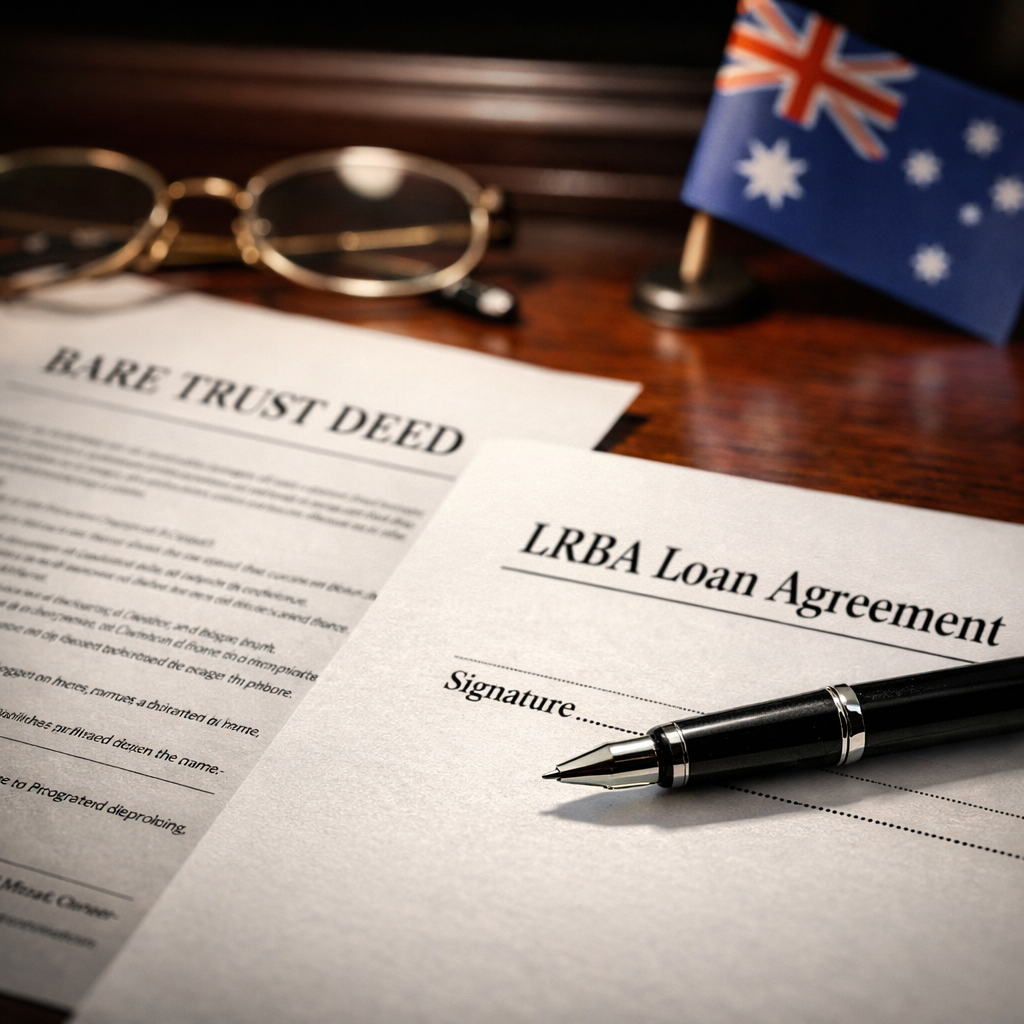
The cornerstone of any LRBA is the holding trust, also called a bare trust. When an SMSF borrows to purchase an asset, the legal title to that asset cannot be held directly by the SMSF trustee during the loan period. Instead, it must be held by a separate bare trust trustee on behalf of the SMSF. This trustee holds legal title to the property while the SMSF holds the beneficial interest. Once the loan is fully repaid, legal title transfers to the SMSF trustee.
This structural requirement is where many trustees stumble. Using the same individual or corporate trustee for both the SMSF and the bare trust creates a clear breach of LRBA rules and can invalidate the entire borrowing arrangement. The bare trustee and SMSF trustee must be separate legal entities. Additionally, when the property is registered, it must be recorded in the name of the bare trust trustee, not the SMSF trustee. Registering the property incorrectly—even by mistake—constitutes non-compliance with potentially severe consequences.
The types of assets that qualify for LRBA are also restricted. The arrangement must involve a “single acquirable asset,” meaning one asset that can be clearly identified and disposed of separately from other fund assets. Residential property, commercial property, and certain collectibles can qualify, provided they meet this definition. However, assets that can’t be clearly separated create problems. For example, an SMSF could not use an LRBA to purchase an apartment where the furnishings are included in the same contract. The property and furnishings would need to be acquired under separate arrangements.
Loan terms themselves must be commercially realistic. The lender must charge market-rate interest, and the loan must include proper documentation outlining repayment terms, default provisions, and security arrangements. Related-party loans face even stricter scrutiny and must meet safe harbor conditions to avoid being classified as in-house assets.
With expertise in SMSF lending compliance, Aries Financial structures every loan to meet these requirements precisely. Our specialists understand that getting the holding trust, title registration, and loan documentation correct isn’t just about following rules—it’s about protecting your retirement savings from compliance risks that could derail your entire investment strategy.
Prohibited Activities and Common Pitfalls
Even with the structure in place, trustees must navigate ongoing compliance obligations and avoid activities that breach SMSF borrowing restrictions. Some of these prohibited activities are obvious, while others catch even experienced trustees by surprise.
First, modifications to the asset during the loan period are heavily restricted. While you can perform repairs and maintenance to keep the property in good condition, you generally cannot make improvements that fundamentally change the asset. For example, purchasing a three-bedroom house and subdividing the land to build a second dwelling would breach LRBA rules because it changes the single acquirable asset. Even replacing the asset—such as demolishing a house to build a new one—is prohibited under an active LRBA.
Another frequent pitfall involves rental arrangements. If the property purchased through an LRBA is rented to a related party of the fund, it must be at market rates and comply with all relevant SMSF rules. Renting the property to yourself or a family member below market rate violates the sole purpose test and can result in severe penalties. The property cannot be used for personal benefit while it remains in the SMSF.
Financial reporting errors create their own compliance risks. Incorrect labeling of LRBA assets and liabilities on the fund’s financial statements can inflate a member’s Total Superannuation Balance (TSB), potentially triggering contribution cap breaches. The property’s value and associated loan must be reported accurately, with clear distinction between the limited recourse nature of the debt and standard liabilities.
Deposit bonds present another area of concern. Some trustees attempt to use deposit bonds instead of cash deposits when purchasing property through an LRBA. However, many LRBA lenders reject deposit bonds altogether, treating them as inadequate security. If funding falls through, the SMSF risks being contractually bound to purchase a property without the means to complete the transaction, potentially triggering penalties and legal action.
Perhaps the most dangerous pitfall is failing to maintain adequate liquidity. While SMSFs benefit from favorable tax rates—15% on income and effectively 10% on capital gains held over 12 months—these advantages disappear if the fund cannot meet its obligations. Trustees must keep sufficient cash reserves, typically 5-10% of fund assets in liquid investments, to cover loan repayments, property expenses, and member benefit payments. Overleveraging leaves the fund vulnerable to market downturns and can force distressed asset sales.
At Aries Financial, we believe empowerment comes through education. We don’t just provide financing—we help trustees understand these risks upfront so they can make informed decisions that protect their financial future.
Practical Steps for Maintaining Compliance
Staying compliant with SMSF borrowing restrictions requires ongoing vigilance, not just getting the initial structure right. Trustees who adopt systematic compliance practices significantly reduce their risk of breaches.
Start by thoroughly reviewing ATO guidelines and staying current with regulatory changes. Superannuation law evolves regularly, and what was compliant two years ago might not meet current standards. The ATO provides extensive guidance on LRBAs, including specific examples of compliant and non-compliant structures. Regular review of these resources should be part of every trustee’s annual compliance routine.
Documentation is your strongest defense against compliance issues. Maintain comprehensive records of your LRBA structure, including the bare trust deed, loan agreement, property valuations, rental agreements, and all financial transactions related to the property. If the ATO audits your fund—and SMSF audits are increasingly common—proper documentation demonstrates your commitment to compliance and can mean the difference between a minor correction and serious penalties.
Structuring loans correctly from the outset prevents costly mistakes. Work with lenders who specialize in SMSF lending and understand the compliance requirements. Generic lenders might offer attractive rates but lack the expertise to structure compliant LRBA loans. The bare trust must be established before property purchase, title registration must be in the bare trustee’s name, and all loan terms must meet regulatory requirements. Correcting structural errors after purchase can be expensive or impossible.
Professional advice isn’t optional—it’s essential. SMSF trustees wear many hats, but attempting to navigate complex borrowing arrangements without expert guidance is risky. Engage qualified SMSF administrators, accountants, and legal advisors who understand both superannuation law and property investment. Their expertise identifies potential issues before they become breaches and ensures your investment strategy aligns with regulatory requirements.
Annual reviews are critical. At a minimum, conduct a comprehensive compliance review annually, examining your loan structure, property values, cash flow position, and in-house asset calculations. As your fund’s total assets change, so does the 5% in-house asset threshold. Similarly, property values fluctuate, affecting your LVR and potentially your lending arrangements. Regular reviews catch drift toward non-compliance before it becomes a serious problem.
Consider your fund’s investment strategy holistically. Your documented investment strategy should explicitly address LRBA borrowing, including how it aligns with the fund’s risk profile, liquidity requirements, and ability to meet member benefits. The strategy isn’t just a compliance document—it’s your roadmap for decision-making. Any major changes to your borrowing or investment approach should trigger a strategy review and update.
At Aries Financial, our commitment to expertise means we guide trustees through each of these steps. We don’t just approve loans—we partner with clients to build sustainable, compliant investment strategies that stand up to regulatory scrutiny and market fluctuations.
Balancing Growth and Protection
Limited Recourse Borrowing Arrangements offer SMSF trustees a powerful mechanism to leverage their retirement savings into substantial property investments. When structured correctly and managed diligently, LRBAs can accelerate wealth accumulation while maintaining the tax advantages that make SMSFs attractive in the first place.
However, this opportunity demands respect for the compliance framework that governs SMSF lending. The “10% rule” that many trustees get wrong is just one example of how easily misunderstandings can lead to serious breaches. The real measure of successful SMSF borrowing isn’t just achieving high returns—it’s achieving those returns while maintaining absolute compliance with superannuation law and protecting your retirement savings from regulatory risk.
The key takeaway is straightforward: LRBA success requires balancing growth opportunities with protective measures. You need adequate leverage to make property investment worthwhile, but not so much that market volatility threatens your fund’s stability. You need professional expertise to navigate complex regulations, but also personal understanding of your obligations as a trustee. You need to maximize tax advantages, but never at the expense of compliance.
At Aries Financial, we’ve built our reputation on helping trustees strike this balance. Our philosophy centers on integrity, expertise, and empowerment—three principles that guide every lending decision we make. We believe integrity means structuring loans that genuinely serve our clients’ retirement goals, not just our lending targets. We believe expertise means staying ahead of regulatory changes and sharing that knowledge with trustees. We believe empowerment means educating clients so they understand not just what they’re signing, but why it matters for their financial future.
With competitive rates starting from 6.24% and fast approvals within 1-3 business days, we make SMSF lending accessible without compromising on compliance standards. As one of Australia’s trusted SMSF lending specialists, we understand that every loan we approve represents someone’s retirement security—a responsibility we take seriously.
SMSF borrowing restrictions exist not to prevent growth, but to protect retirement savings from excessive risk. Understanding these restrictions, particularly the often-confused 10% rule and in-house asset requirements, empowers trustees to make informed decisions that grow wealth while safeguarding their financial future. In the complex world of SMSF lending, knowledge isn’t just power—it’s protection.