When it comes to building wealth through self-managed superannuation, understanding the rules around borrowing can mean the difference between strategic growth and costly compliance failures. For SMSF trustees looking to acquire property or other valuable assets, the Limited Recourse Borrowing Arrangement (LRBA) represents a powerful yet carefully regulated tool. This financing structure allows your SMSF to purchase high-value assets without requiring the full purchase price upfront, while simultaneously protecting your fund’s other holdings from potential loan defaults. However, navigating SMSF borrowing rules—particularly the 10% cap and 90-day limit—requires precision and informed decision-making.
Understanding Limited Recourse Borrowing Arrangements
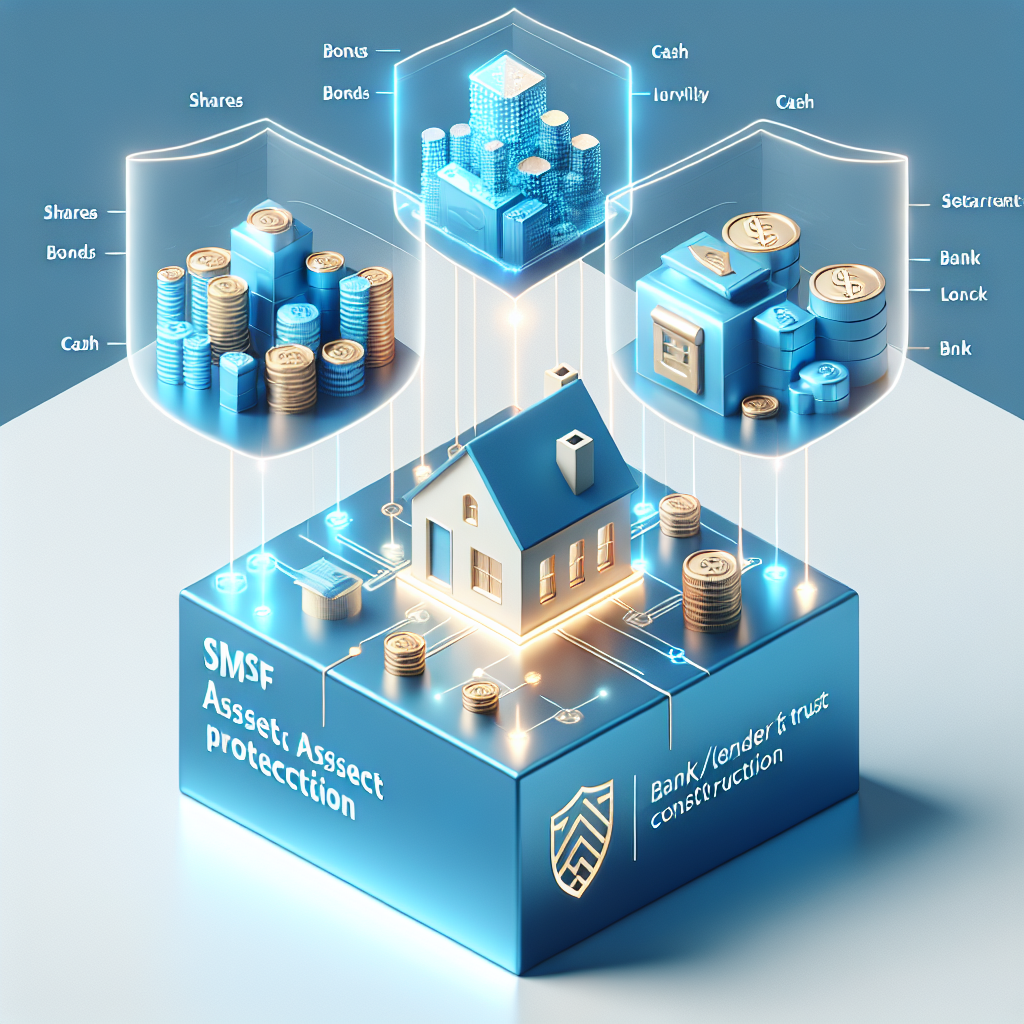
A Limited Recourse Borrowing Arrangement is the primary exception to the general prohibition on SMSF borrowing. Under this structure, your SMSF can take out a loan to acquire a single acquirable asset, typically property, with the unique protection that if the loan defaults, the lender’s recourse is limited solely to the asset purchased with those borrowed funds. Your fund’s other assets remain protected.
This separation is crucial. Unlike traditional property loans where all your assets might be at risk, an LRBA creates a legal firewall. The acquired asset is held in a separate trust—often called a bare trust or holding trust—until the loan is fully repaid. Only then does legal ownership transfer completely to your SMSF.
Two specific short-term borrowing exceptions exist outside the LRBA framework, and these are governed by strict parameters. Your SMSF can borrow money for a maximum of 90 days to meet benefit payments due to members, but the amount borrowed cannot exceed 10% of your SMSF’s total assets. These aren’t rules to approach casually. The Australian Taxation Office monitors compliance closely, and breaches can trigger significant penalties, including the loss of your fund’s complying status.

The Core Purpose and Scope of LRBAs
LRBAs serve a distinct purpose in retirement wealth building. They enable SMSF trustees to leverage their superannuation savings strategically, accessing property markets and potentially lucrative investments that might otherwise remain out of reach without full cash funding. This can be particularly valuable in Australia’s property landscape, where residential and commercial real estate have historically provided both capital growth and rental income.
The separation mechanism lies at the heart of how LRBAs function. When your SMSF enters into an LRBA, the borrowed funds are used to purchase a specific asset, which is then held by a custodian trustee on behalf of your SMSF. This legal structure ensures that if repayment difficulties arise, the lender can only claim the purchased asset—not your SMSF’s other investments, cash reserves, or member balances.
Not every asset qualifies for LRBA funding. The asset must be a “single acquirable asset,” meaning it’s legally considered one item at the time of purchase. A single residential property qualifies. A commercial building qualifies. But attempting to purchase multiple properties under one LRBA, or buying a property and its furnishings separately, violates the single asset requirement. Listed shares in a company can work, provided they constitute a single parcel acquired in one transaction.
This is where the 10% borrowing cap and 90-day borrowing rule become critical considerations. These limits apply specifically to short-term borrowing outside the LRBA structure. If your SMSF needs temporary liquidity to meet member benefit payments—perhaps a member has reached preservation age and requested a lump sum withdrawal—you can borrow up to 10% of the fund’s total asset value for no more than 90 days. This provision offers flexibility during cash flow crunches but must be used judiciously and within the specified timeframe.
Practical Setup Considerations for LRBAs
Implementing an LRBA requires meticulous attention to documentation and compliance protocols. The first step is confirming that your SMSF’s trust deed explicitly permits borrowing through an LRBA. Not all trust deeds include this provision, and attempting to borrow without proper authorization constitutes a breach of super laws.
You’ll need a formal LRBA deed that establishes the legal framework for the borrowing arrangement. This document outlines the rights and obligations of all parties—the SMSF trustee, the lender, and the holding trustee. Simultaneously, a loan agreement must be executed, detailing the loan amount, interest rate, repayment schedule, and default provisions. These documents aren’t mere formalities; they’re legal instruments that the ATO may scrutinize during compliance reviews.
Asset separation must be absolute. The acquired property cannot be titled directly in your SMSF’s name while debt remains outstanding. Instead, it’s held by a holding trustee (often a corporate entity established specifically for this purpose) until the loan is fully discharged. The holding trustee has legal ownership but no beneficial interest—your SMSF retains all beneficial ownership rights, including receiving rental income and claiming tax deductions for expenses.
Independent valuations are non-negotiable when dealing with related party LRBAs or when purchasing from associated entities. If your SMSF borrows from a related party—such as a member or a member’s family trust—the loan must be conducted on commercial arm’s length terms. This means market-rate interest, formal documentation, and regular repayments. The ATO takes particular interest in related party arrangements, as these present higher risks of non-compliance.
Documentation extends beyond the initial setup. Your SMSF must maintain clear records of all loan repayments, property expenses, rental income, and trustee decisions related to the LRBA. Annual financial statements should separately identify the LRBA loan liability and the held asset’s value. Your SMSF’s auditor will examine these arrangements annually, and inadequate documentation can lead to qualified audit opinions or adverse findings.
Compliance with superannuation rules remains paramount throughout the LRBA’s life. The acquired property must satisfy the sole purpose test, meaning it’s maintained solely to provide retirement benefits to members. You cannot use the property for personal purposes, rent it to yourself or relatives at non-commercial rates, or make improvements that constitute a separate acquisition of another asset.
Advantages of LRBAs in SMSF Investment Strategy
The strategic advantages of LRBAs become apparent when you consider the leverage effect on retirement wealth. Suppose your SMSF holds $400,000 in cash and investments. Without borrowing, you’re limited to purchasing assets within this amount. Through an LRBA, you might acquire a $600,000 property with a $200,000 loan, immediately accessing a higher-value asset class.
This leverage can accelerate wealth accumulation when property values appreciate. If that $600,000 property increases by 5% annually, your SMSF captures $30,000 in growth—a return on your actual $400,000 equity of 7.5% before accounting for rental income and loan repayments. The borrowed $200,000 effectively magnifies your investment capacity.
Rental income from LRBA-financed properties typically receives concessional tax treatment within the SMSF structure. During the accumulation phase, rental income is taxed at 15%, and if the property is eventually sold after being held for more than 12 months, capital gains receive a one-third discount, resulting in an effective tax rate of 10%. If your SMSF transitions to pension phase, rental income and capital gains become entirely tax-free.
LRBAs also provide portfolio diversification opportunities. Many SMSF trustees maintain significant allocations to listed securities and cash. Adding direct property exposure through an LRBA can balance the portfolio, potentially reducing overall volatility while capturing the benefits of property market cycles that may not correlate perfectly with equity markets.
The ability to access potentially lucrative investments without full cash funding addresses a common challenge for SMSFs: capital constraints. Commercial properties yielding strong returns or residential properties in growth corridors might require substantial upfront capital. LRBAs remove this barrier, allowing trustees to participate in opportunities they’ve identified through research and due diligence.

Risks and Cautions Associated with LRBAs
The complexity of LRBA structures demands recognition of inherent risks. Establishing and maintaining an LRBA involves multiple legal entities, formal documentation, and ongoing compliance obligations. This complexity translates into higher administration costs. You’ll incur expenses for legal documentation, holding trustee establishment and maintenance, property management, annual audits specifically covering the LRBA, and potentially higher accounting fees.
Market risks intensify when leverage enters the equation. The same mechanism that amplifies gains during property appreciation can magnify losses during market downturns. If the property’s value declines below the outstanding loan amount, your SMSF holds a negatively geared asset. While negative gearing can provide tax advantages in certain circumstances, it also represents financial stress on the fund’s cash flow.
Interest rate movements present ongoing exposure. Unlike owner-occupied home loans, LRBA loans don’t benefit from the same competitive marketplace or regulatory protections. Interest rates on SMSF loans may be higher and less negotiable. If rates rise significantly, your SMSF’s capacity to meet repayment obligations from rental income and member contributions could be challenged.
Liquidity constraints deserve careful consideration. Property is inherently illiquid. If your SMSF requires cash to meet member benefit payments, you cannot quickly sell a portion of the property. You must either maintain sufficient liquid assets outside the LRBA, rely on rental income, or potentially face the scenario where you need to utilize the 10% short-term borrowing provision—which itself has limitations.
Regulatory changes represent a persistent uncertainty. The Australian Government has modified SMSF legislation multiple times over the past decade, and LRBAs have been subject to review and debate. While current rules permit these arrangements, future legislative changes could alter the landscape, potentially affecting existing LRBAs or limiting new ones. Trustees must stay informed and be prepared to adapt.
The cash flow demands of LRBA repayments require proactive management. Your SMSF must generate sufficient income—through member contributions, investment returns, and rental income—to meet loan repayments while covering property expenses, fund administration costs, and potential member benefit payments. A detailed cash flow projection should be prepared before entering an LRBA and reviewed regularly thereafter.
Quick Setup Checklist for LRBA Implementation
Before proceeding with an LRBA, work through these essential preparation steps:
Trust Deed Verification: Obtain a copy of your SMSF’s trust deed and confirm it explicitly permits borrowing through LRBAs. If the deed doesn’t include this power, arrange for a deed amendment before proceeding.
Investment Strategy Update: Review and update your SMSF’s investment strategy to reflect the intended LRBA, including how the acquisition aligns with member retirement objectives, risk tolerance, diversification goals, and cash flow projections.
Professional Advice: Engage qualified professionals including a specialized SMSF accountant, solicitor experienced in superannuation law, and potentially a buyer’s agent or property advisor familiar with SMSF investment requirements.
Lender Selection: Research SMSF-specialist lenders who understand the unique requirements of LRBAs. Compare interest rates, loan-to-value ratios, establishment fees, and ongoing costs. Competitive SMSF loan solutions now start from 6.24% with providers who specialize in this market segment.
Holding Trust Establishment: Arrange for the creation of a holding trustee structure (typically a corporate trustee) that will hold legal title to the acquired asset during the loan period.
Documentation Preparation: Ensure all required documents are properly drafted and executed, including the LRBA deed, loan agreement, holding trust deed, and security documentation.
Valuation Arrangements: For any related party transactions, obtain an independent valuation from a qualified valuer to establish arm’s length pricing.
Insurance Coverage: Arrange appropriate insurance for the acquired property, including building insurance, landlord insurance if applicable, and potentially income protection to cover loan repayments if rental income is interrupted.
Compliance Monitoring: Establish systems for tracking loan repayments, property income and expenses, and ongoing compliance with the sole purpose test and other SMSF regulations.
Aligning Strategy with Sound Financial Principles
The decision to implement an LRBA should align with broader principles of integrity, expertise, and empowerment in retirement planning. Integrity means being honest about your SMSF’s capacity to service debt, maintaining absolute compliance with regulations, and never compromising legal requirements for perceived short-term advantages. The penalties for non-compliance—including potential loss of your fund’s concessional tax treatment—far outweigh any benefits from cutting corners.
Expertise matters profoundly in SMSF property investment. The regulatory landscape is intricate, property markets carry inherent risks, and individual circumstances vary considerably. Trustees who recognize the value of specialized knowledge—whether through their own education or by engaging qualified advisors—position themselves for better outcomes. Fast approvals within one to three business days from specialist lenders demonstrate how expertise in SMSF lending can streamline what might otherwise be a complex, drawn-out process.
Empowerment comes through informed decision-making. Understanding SMSF borrowing rules, including the 10% cap and 90-day limit for short-term borrowing and the comprehensive requirements for LRBAs, enables trustees to evaluate opportunities objectively. You’re empowered to ask the right questions, challenge assumptions, and make decisions based on thorough analysis rather than emotion or pressure.
Strategic property acquisition through your SMSF represents one pathway toward maximizing retirement investment potential, but it’s not suitable for every fund or every trustee. The most successful SMSF investors approach borrowing with clear objectives, thorough preparation, ongoing monitoring, and a commitment to compliance. They recognize that retirement wealth building is a marathon, not a sprint, and that preserving capital and maintaining regulatory standing are just as important as pursuing growth.
For trustees who’ve done their homework, established strong administrative foundations, and identified suitable investment opportunities, LRBAs can be powerful tools. The ability to leverage SMSF assets strategically, access higher-value property markets, and potentially accelerate wealth accumulation—all while protecting other fund assets through the limited recourse structure—offers compelling advantages. But these benefits materialize only when the arrangement is properly structured, diligently maintained, and aligned with your fund’s overall investment strategy and members’ retirement goals.
The SMSF borrowing landscape continues to evolve, and staying informed about regulatory requirements, market conditions, and best practices remains an ongoing responsibility. Whether you’re considering your first LRBA or reviewing existing arrangements, the fundamental principles remain constant: operate with integrity, seek expertise where needed, and empower yourself through knowledge and careful planning. Your retirement security deserves nothing less than this disciplined, informed approach to leveraging your superannuation for long-term wealth creation.