For many SMSF trustees and property investors, the dream of acquiring commercial or residential property through their superannuation fund can feel frustratingly out of reach. Limited cash reserves within the fund often mean watching valuable investment opportunities slip away while competitors with deeper pockets snap them up. This is where Limited Recourse Borrowing Arrangements (LRBAs) enter the picture, offering a legitimate pathway to leverage your SMSF for property acquisition that might otherwise remain beyond your grasp.
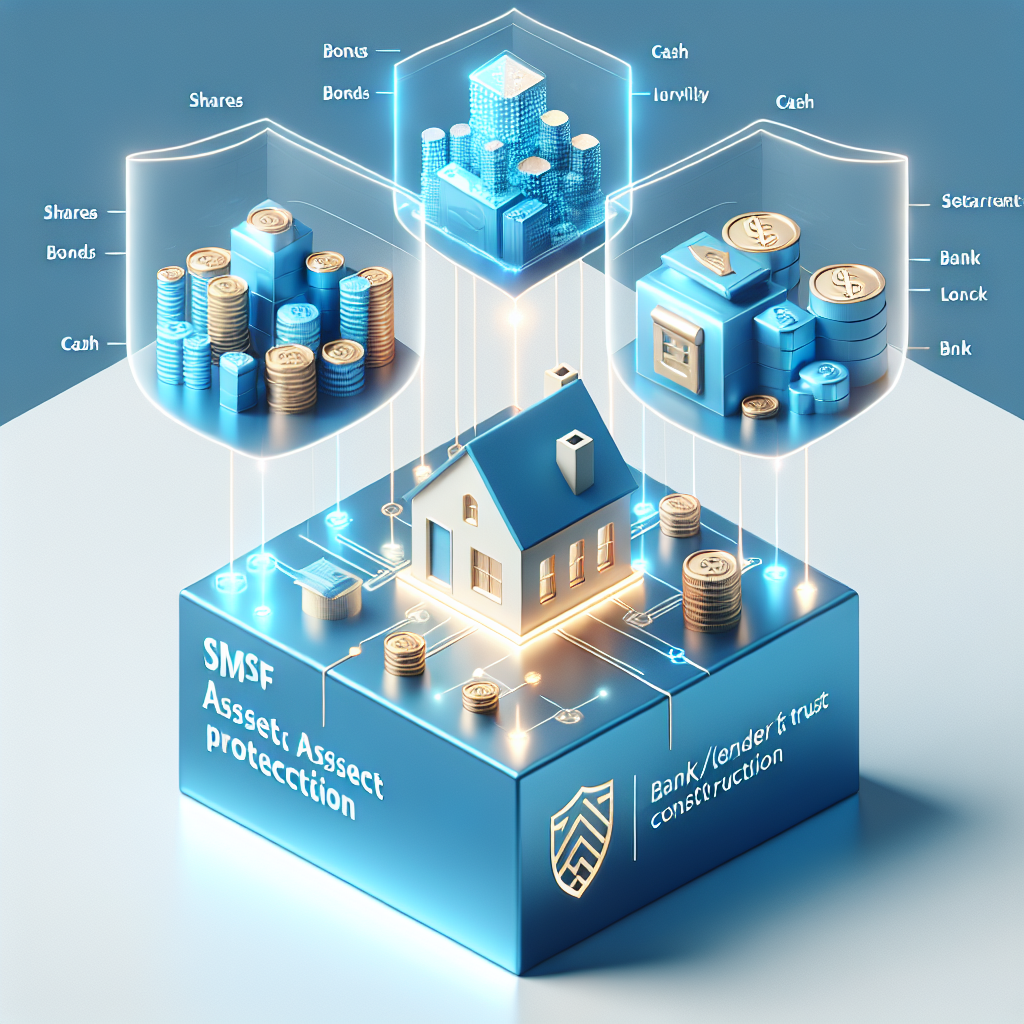
An LRBA is essentially a specialized borrowing structure that allows your SMSF to borrow money for purchasing a single acquirable asset—typically real estate—while protecting the rest of your fund’s assets from the lender’s reach. Think of it as a financial firewall: if something goes wrong and the loan defaults, the lender can only claim the specific property purchased with the borrowed funds, not the other investments sitting in your SMSF portfolio. This limited recourse feature is what gives the arrangement its name and its appeal.
The power of LRBAs lies in their ability to amplify your retirement savings strategy. Instead of waiting decades to save enough cash within your fund to purchase a property outright, you can acquire assets sooner and potentially benefit from capital growth and rental income while continuing to contribute to your SMSF. For property investors who understand the Australian market, this means diversifying beyond shares and managed funds into tangible real estate that you can see, touch, and manage directly.
The tax advantages remain intact too. Rental income earned by your SMSF through an LRBA-acquired property is typically taxed at just 15% during the accumulation phase, and potentially zero if your fund is in pension phase. When you eventually sell the property after holding it for more than 12 months, you’ll enjoy a one-third discount on capital gains tax—or potentially no tax at all if sold during pension phase. These benefits, combined with the leverage provided by borrowing, create a compelling case for considering an LRBA structure.
However, the attractiveness of LRBAs comes with a critical caveat: structure matters enormously. The difference between a compliant, beneficial LRBA and a legal nightmare that jeopardizes your entire retirement savings often comes down to having the right documentation in place from day one. Get the structure wrong, and you could face severe penalties, lose tax concessions, or find yourself in a legal quagmire that costs far more than any potential investment gains.

Understanding the Essential Components of an LRBA Structure
Every properly structured LRBA involves several key players working together within a carefully defined legal framework. Understanding how these components interact is crucial before you dive into the documentation that holds everything together.
At the center sits your SMSF itself, acting as the borrowing entity. Your SMSF trustee—whether that’s you individually or a corporate trustee—makes the decision to borrow and ultimately becomes responsible for meeting loan obligations from the fund’s resources. This isn’t a personal borrowing; it’s the superfund itself that enters into the loan agreement, using contributions, rental income, and other fund earnings to service the debt.
The second critical component is the holding trust, more commonly called a bare trust or custodian trust. This is where many people get confused, so let’s break it down simply. When your SMSF borrows money under an LRBA, the property cannot be held directly in the SMSF’s name during the loan period. Instead, it must be held in a separate bare trust structure. The bare trustee holds legal title to the property, but your SMSF retains all beneficial interest—meaning your fund gets all the rental income, tax benefits, and capital appreciation, even though the property title shows the bare trustee’s name.
Why this complexity? The bare trust structure is what creates the limited recourse protection. If your SMSF defaults on the loan, the lender’s rights are restricted to the asset held in the bare trust. They cannot touch the other investments in your SMSF—your shares, cash, or other properties. This legal barrier protects the retirement savings of all fund members while still allowing the SMSF to use leverage for property acquisition.
The lender represents the third essential component. Unlike standard home loans, LRBA lending carries additional risks for financial institutions, which is why traditional banks often charge higher interest rates or impose stricter conditions. Specialized SMSF lenders like Aries Financial understand the unique nature of these arrangements and structure loans specifically designed to work within superannuation law. These lenders need to ensure their loan documentation aligns perfectly with SMSF regulations while providing them adequate security.
Finally, there’s the asset itself—the property you’re purchasing. Superannuation law is strict about what constitutes a “single acquirable asset” under an LRBA. Generally, this means a property that can be identified and separated from other assets. A residential house or apartment qualifies. A commercial building works too. But you cannot bundle multiple separate properties under one LRBA, and you cannot use borrowed funds to acquire furnishings separately from the property itself. The “single acquirable asset” rule is absolute and non-negotiable.
The regulatory framework governing all of this flows primarily from the Superannuation Industry (Supervision) Act 1993 (SIS Act) and associated regulations. Section 67A specifically permits LRBAs but sets strict conditions. The borrowing must be on a limited recourse basis. The asset must be held on trust separately from the SMSF’s other assets. The terms of the borrowing cannot allow the lender to demand payment from the SMSF beyond the secured asset. And the SMSF trustee must have a right or obligation to acquire the legal ownership of the asset from the bare trustee at some point—typically when the loan is paid off.
These aren’t suggestions or guidelines—they’re legal requirements. Fail to meet any of them, and your borrowing arrangement could be deemed non-compliant, potentially making your entire fund non-complying and triggering massive tax consequences. This is why documentation isn’t just paperwork; it’s the foundation of your entire LRBA structure.
The Step-by-Step Process: Setting Up Your LRBA the Right Way
Establishing an LRBA isn’t something you can rush through on a weekend. Following a methodical approach ensures compliance while maximizing the benefits of your investment strategy. Let’s walk through the process step by step, focusing on what needs to happen and why.
Step 1: Confirm Your SMSF Trust Deed Permits Borrowing
Before anything else, pull out your SMSF trust deed and read it carefully—or better yet, have a qualified professional review it. Not all trust deeds specifically authorize the trustee to enter into borrowing arrangements. If your deed was established before 2007, when LRBAs became more common, it almost certainly needs updating. Even newer deeds sometimes contain restrictive clauses that limit borrowing powers.
Your trust deed must explicitly grant the trustee power to borrow under an LRBA and to establish a bare trust for holding assets. If these powers aren’t there, you’ll need to execute a deed of variation before proceeding. Attempting to borrow without proper trust deed authority doesn’t just make the borrowing arrangement invalid—it could be considered a breach of trust, exposing trustees to personal liability.
Step 2: Update Your Investment Strategy
Your SMSF’s investment strategy must specifically address the proposed property acquisition and borrowing arrangement. This isn’t optional box-ticking; it’s a legal requirement under section 52B of the SIS Act. Document why property investment aligns with your fund’s goals, how you’ll service the loan, what risks you’ve considered, and how the investment fits with your members’ retirement needs.
Consider cash flow carefully. Your SMSF will need to cover loan repayments, property maintenance, insurance, and potentially vacancy periods—all while continuing to meet other fund obligations. Your investment strategy should demonstrate you’ve thought this through with realistic assumptions about rental yields, interest rates, and potential vacancies.
Step 3: Establish the Bare Trust Structure
This is where proper documentation becomes absolutely critical. You’ll need a bare trust deed that specifically identifies your SMSF as the beneficiary and clearly states the trustee holds the property solely for your fund’s benefit. The bare trustee and SMSF trustee must be different entities—using the same trustee for both roles is a clear breach of LRBA rules that can invalidate the entire arrangement.
Many SMSF trustees choose to appoint themselves personally as bare trustee, or they establish a separate corporate entity specifically for this role. Either approach can work, but the documentation must be crystal clear about roles and responsibilities. The bare trustee has no beneficial interest in the property—they’re merely holding legal title on your SMSF’s behalf until the loan is paid off.
Step 4: Arrange Your Limited Recourse Finance
Shop around for SMSF lenders who understand the regulatory landscape. Working with an experienced lender like Aries Financial ensures smoother settlements and greater compliance certainty regarding the loan structure. The loan documentation must explicitly state that the lending is on a limited recourse basis and that the lender’s rights are restricted to the secured asset.
Key terms to verify include: the loan is only to the SMSF trustee, not personally to fund members; the lender cannot claim against other SMSF assets; all repayments come from the SMSF’s resources; and the interest rate and fees represent arm’s length terms. Related party loans—borrowing from a fund member or related entity—face even stricter scrutiny and must be structured extremely carefully to avoid breaching the arm’s length rules.
Step 5: Acquire the Asset and Transfer Legal Title
Once finance is approved, you’ll proceed to settlement like any property purchase, but with an important difference: legal title transfers to the bare trustee, not directly to your SMSF. Your conveyancer or solicitor must understand LRBA structures to document this correctly. The contract of sale, transfer documents, and title registration all show the bare trustee as the legal owner.
Simultaneously, you’ll execute documentation establishing your SMSF’s beneficial interest and right to acquire legal title once the loan is paid off. This typically includes a contract between the bare trustee and your SMSF that sets out terms for the eventual transfer of legal ownership.
Step 6: Ongoing Governance and Compliance
Your responsibilities don’t end at settlement. You’ll need to maintain proper records showing all loan repayments come from SMSF resources, ensure rental income flows to the fund not personally to members, keep the property insured adequately, maintain separation between the bare trust and SMSF in accounting records, and ensure the property is never used for personal benefit.
Regular reviews are essential. Your SMSF auditor will scrutinize the LRBA arrangement every year, checking documentation, verifying compliance, and ensuring ongoing adherence to the sole purpose test. Keep all loan documents, trust deeds, contracts, and correspondence organized and accessible.

Weighing the Pros and Cons: Is an LRBA Right for Your SMSF?
LRBAs offer genuine opportunities, but they’re not suitable for every situation. Understanding both the advantages and potential pitfalls helps you make an informed decision aligned with your retirement goals.
✓ The Compelling Advantages
The most obvious benefit is leverage itself. With limited cash, you can acquire assets worth significantly more than your current SMSF balance, potentially benefiting from capital growth on the full property value while only contributing a deposit and ongoing repayments. If property values rise 5% annually on a $500,000 property, that’s $25,000 in growth—not just 5% of your $100,000 deposit.
Portfolio diversification represents another key advantage. Many SMSFs are heavily weighted toward shares and managed funds. Property adds a tangible, income-producing asset class that typically behaves differently to equities, smoothing out portfolio volatility. For trustees who understand real estate markets, this diversification can significantly improve risk-adjusted returns.
The tax environment within superannuation makes LRBAs particularly attractive. That 15% tax rate on rental income during accumulation phase—or potentially zero in pension phase—means more of your rental yield stays within the fund to compound over time. Compare this to holding investment property personally where rental income is taxed at your marginal rate, potentially 45% plus Medicare levy.
Gearing can also accelerate your path to retirement goals. By acquiring property sooner rather than waiting to save sufficient cash, you potentially benefit from years of additional capital growth and rental income that wouldn’t otherwise occur within your fund’s timeframe.
⚠️ The Important Considerations and Risks
Complexity tops the list of concerns. LRBAs involve multiple legal entities, specialized documentation, and ongoing compliance obligations that far exceed a simple property purchase. This complexity translates directly into higher costs—establishing bare trusts, specialized legal advice, SMSF-specific lending fees, and ongoing accounting all add up.
Cash flow pressure is real. Your SMSF must service the loan regardless of whether the property is tenanted or whether the market softens. Unlike personal property investment where you might dip into wages to cover shortfalls, your SMSF only has contributions, investment income, and existing capital to draw on. If rental income proves insufficient and you lack cash reserves, you could face a distressed sale.
The limited recourse nature that protects your other SMSF assets also means higher interest rates. Lenders charge a premium—sometimes 1-2% above standard investment loan rates—to compensate for their limited recovery rights if things go wrong. Over a 15-year loan, this rate differential can cost tens of thousands of dollars.
Regulatory risk cannot be ignored. SMSF regulations change, and structures that are compliant today might face new restrictions tomorrow. Recent discussions around limiting SMSF borrowing powers, though not enacted, highlight that the regulatory landscape is never static. You need to stay informed and be prepared to adapt if rules change.
⚠️ Common Pitfalls to Avoid
Related party considerations trip up many trustees. While you can purchase property from related parties under strict conditions, getting valuations wrong or failing to demonstrate true arm’s length dealings can result in severe penalties. The Australian Taxation Office scrutinizes related party transactions intensely.
Non-arm’s length income (NALI) issues have emerged as a significant concern following recent case law. If your SMSF pays less than market rates for expenses related to the property, or if you receive services at below-market cost, the rental income could be deemed NALI and taxed at the highest marginal rate rather than the concessional 15%. This completely destroys the tax benefits of holding property in your SMSF.
Personal use violations are surprisingly common. You cannot stay in your SMSF’s property, even for a night, even at market rent. You cannot let family members use it, regardless of compensation. The property must remain solely for investment purposes providing retirement benefits to fund members. Even seemingly innocent violations can trigger non-compliance penalties.
Inadequate insurance creates unnecessary risk. The property should carry comprehensive insurance covering both the asset itself and public liability. Remember, if tenants or visitors are injured on the property, claims could threaten your SMSF’s assets. Insurance is not optional—it’s essential risk management.
Your Path Forward: Making LRBAs Work for Your Retirement Strategy
Limited Recourse Borrowing Arrangements represent a powerful tool in the SMSF trustee’s arsenal, but power without proper control becomes dangerous. The difference between successful LRBA implementation and costly compliance failures ultimately comes down to respecting the structure’s complexity and ensuring meticulous attention to documentation and governance.
The five critical documents that can make or break your LRBA are: your updated SMSF trust deed confirming borrowing powers; a compliant bare trust deed establishing the holding structure; a properly structured limited recourse loan agreement; a documented investment strategy addressing the property acquisition and borrowing; and contracts clearly establishing your SMSF’s beneficial interest and right to acquire legal title. Miss any of these, or execute them poorly, and you’re building on sand.
For SMSF trustees considering property investment, take the time to understand what you’re entering into. Work with professionals who specialize in SMSF lending and compliance—this isn’t an area for cutting corners or doing it yourself. The upfront cost of proper advice and documentation is insignificant compared to the potential penalties of getting it wrong.
At Aries Financial, we’ve built our reputation on helping SMSF trustees navigate these complexities with confidence. Our expertise in SMSF regulations and commitment to transparent, compliant lending structures means you can pursue property investment opportunities without compromising your fund’s integrity. We believe in empowering our clients through education and guidance, ensuring you understand not just the what but the why behind every requirement.
Remember, your SMSF exists for one purpose: providing retirement benefits to fund members. Every investment decision, including whether to establish an LRBA, must be evaluated against this fundamental objective. Property investment through your super can be an excellent strategy, but only when structured correctly, documented properly, and managed with ongoing diligence.
If you’re considering an LRBA, start by getting your fundamentals right. Ensure your SMSF trust deed is current, review your investment strategy with fresh eyes, understand your cash flow capacity realistically, and engage qualified professionals who can guide you through the documentation maze. The opportunities are real, but they demand respect for the process and commitment to ongoing compliance.
Your retirement deserves nothing less than a structure built on solid foundations, maintained with integrity, and managed with expertise. That’s not just good practice—it’s the Aries Financial way.