When Sarah discovered she could use her Self-Managed Super Fund to invest in property, her first question was simple: “Can I just borrow money from my SMSF?” Like many trustees, she assumed her super fund operated like a personal savings account—something she could tap into whenever needed.
The reality surprised her. And if you’re managing an SMSF, it might surprise you too.
The Fundamental Truth About SMSF Borrowing
Here’s what most trustees get wrong: you cannot simply borrow money from your SMSF like you would from a bank account or line of credit. This isn’t just a guideline—it’s a strict regulatory prohibition designed to protect your retirement savings.
The Australian Tax Office makes this crystal clear: Self-Managed Super Funds must not lend money to you, your relatives, or any related parties. This prohibition exists for a good reason. Your SMSF exists solely to provide retirement benefits, not to function as a personal lending institution.
But here’s where things get interesting. While you can’t borrow from your SMSF, your SMSF can borrow to invest. This distinction matters enormously, and understanding it is crucial for any trustee considering property investment within their fund.
The exception to the borrowing prohibition comes through a specific structure called a Limited Recourse Borrowing Arrangement, or LRBA. This mechanism allows SMSFs to leverage borrowed funds for investment purposes while maintaining strict compliance with superannuation law. Think of it as the ATO-approved pathway for strategic borrowing—but it operates under precise rules that trustees must follow to the letter.

Understanding Limited Recourse Borrowing Arrangements
A Limited Recourse Borrowing Arrangement represents a carefully structured approach to SMSF investment. Under this framework, your SMSF can obtain a loan specifically to purchase a single acquirable asset. The key word here is “single”—you cannot bundle multiple properties or assets under one LRBA.
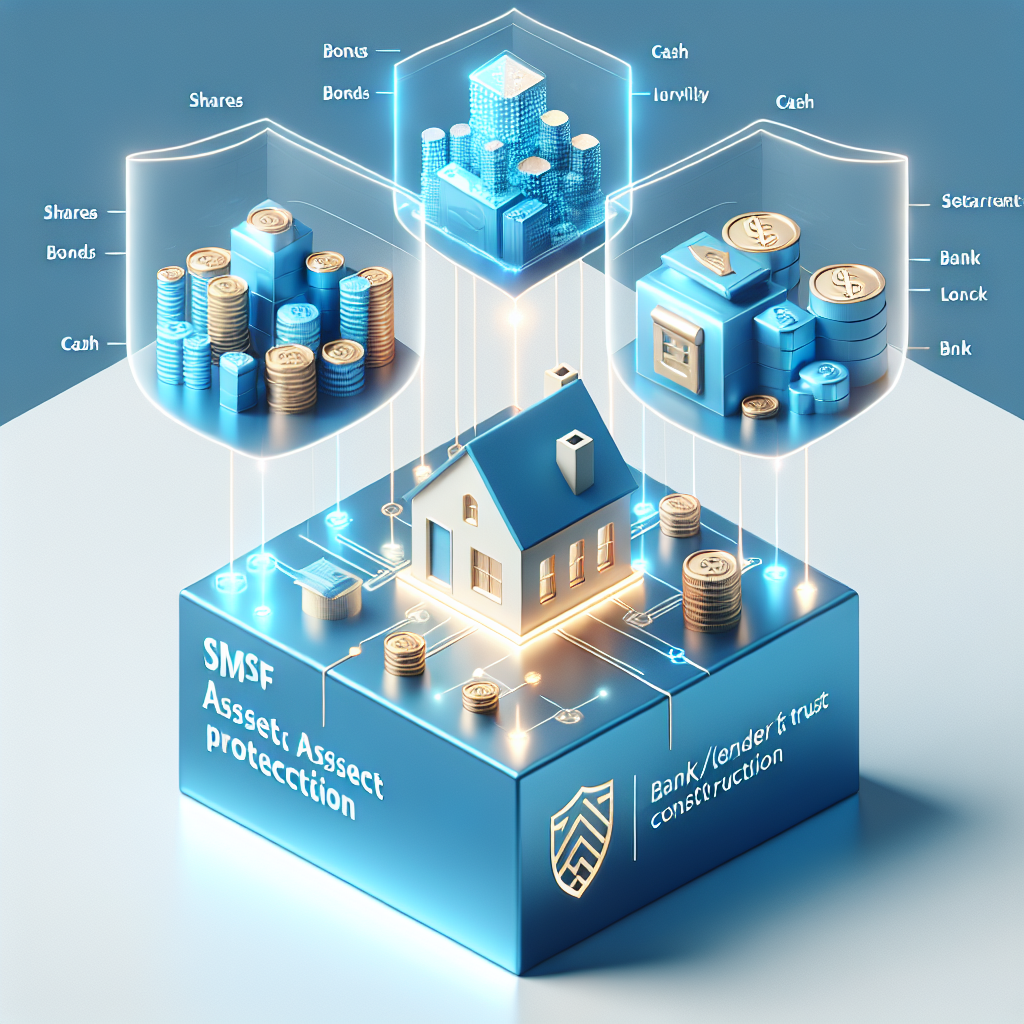
The structure works like this: when your SMSF enters an LRBA, the purchased asset must be held in a separate bare trust, completely distinct from your SMSF itself. This separation creates a protective barrier. If something goes wrong and your SMSF defaults on the loan, the lender’s recourse—their ability to recover their money—is limited exclusively to the asset held in that bare trust.
This “limited recourse” nature protects your other SMSF assets from creditor claims. If you’ve used an LRBA to purchase an investment property and financial difficulties arise, the lender cannot pursue your SMSF’s other holdings, whether they’re shares, cash reserves, or other properties purchased outright. The risk containment inherent in this structure explains why LRBAs became the acceptable exception to general SMSF borrowing prohibitions.
Consider James, a small business owner who used an LRBA through his SMSF to purchase a commercial property. The property sits in a bare trust, while his SMSF holds the beneficial interest and makes the loan repayments. When the property market experienced volatility, James’s other SMSF investments—including his share portfolio—remained completely protected from any potential lender claims related to the property loan. This separation delivered peace of mind alongside investment opportunity.
The bare trust arrangement means that legal ownership of the asset temporarily rests with the bare trustee until the loan is fully repaid. Throughout the repayment period, your SMSF maintains beneficial ownership and receives all income generated by the asset. Once you’ve cleared the debt, ownership transfers fully to your SMSF, and the bare trust can be wound up.
What You Can Actually Borrow For
Not all assets qualify for LRBA financing. The superannuation legislation specifies that only “acquirable assets” are eligible—essentially, assets that an SMSF would normally be permitted to acquire under the investment rules.
Residential and commercial real estate both qualify, making property the most popular choice for LRBA arrangements. Business real property—premises your business operates from—is particularly attractive because it allows you to build retirement wealth while potentially reducing business overheads through related-party lease arrangements. Learn more about SMSF property investment compliance requirements.
Shares and managed fund units can also be acquired through LRBAs, though this approach is less common. The administrative complexity and costs typically make direct purchase more practical for securities.
Here’s what you absolutely must remember: each LRBA can only finance one single asset. You cannot purchase a property portfolio under one borrowing arrangement. If you want to acquire multiple properties through your SMSF, you’ll need separate LRBAs for each, with each property held in its own bare trust.
The asset acquired must be held separately from your SMSF throughout the loan term. This separation is non-negotiable. It protects both your super fund and satisfies regulatory requirements. Mixing assets or failing to maintain proper trust separation can result in serious compliance breaches, potentially rendering your SMSF non-complying and triggering devastating tax consequences.
The asset cannot be improved with borrowed funds. If you borrow to purchase a property, that loan can only be used for the acquisition itself. Any renovations, improvements, or developments must be funded separately from your SMSF’s existing resources. This restriction prevents trustees from using borrowing arrangements to circumvent investment limitations.
Borrowing Limits and Strategic Alignment
While there’s no explicit cap on how much your SMSF can borrow through an LRBA, practical and prudential limits certainly exist. Lenders typically require loan-to-value ratios between 70% and 80%, meaning your SMSF needs substantial capital for the deposit and associated costs.
At Aries Financial, we’ve seen trustees successfully structure SMSF loans starting from 6.24% PI (principal and interest), but these arrangements always require careful assessment of the fund’s capacity to service the debt. Your SMSF must generate sufficient regular income—from existing investments, rental returns, or ongoing contributions—to meet loan repayments without compromising liquidity or the fund’s ability to meet member obligations.
The critical question isn’t “how much can I borrow?” but rather “how much should I borrow?” This distinction separates strategic investors from those who overextend their retirement savings. Your SMSF’s investment strategy must explicitly contemplate any proposed borrowing, demonstrating how the arrangement aligns with your fund’s retirement objectives.
Excessive gearing introduces risk that may be inappropriate for a retirement savings vehicle. Your fund needs sufficient liquidity to cover loan repayments during vacancy periods, meet unexpected costs, and fulfill any benefit payments to members. Overleveraging can force trustees into difficult positions, potentially requiring distressed asset sales or struggling to maintain compliance with minimum pension payment requirements.
The regulatory framework requires that all investments—including those acquired through borrowing—be made on an arm’s length basis and align with your fund’s documented investment strategy. This strategy must consider risk, return, liquidity, diversification, and the fund’s ability to meet future benefit payments. An LRBA that looks attractive in isolation might be inappropriate when assessed against your fund’s overall position and your members’ retirement timelines.

Setting Up an LRBA: Governance and Compliance Requirements
Entering an LRBA requires more than just finding a willing lender. The setup demands careful attention to governance, documentation, and ongoing compliance obligations.
First, your SMSF trust deed must explicitly permit borrowing arrangements. Many older trust deeds don’t include this provision, requiring amendment before you can proceed. Don’t assume your deed allows borrowing—verify this with your SMSF administrator or legal advisor before taking any further steps.
Your investment strategy must be reviewed and updated to address the proposed borrowing. This living document needs to explain how the LRBA fits with your fund’s objectives, how you’ll manage the additional risk, and how the borrowed investment contributes to appropriate diversification. Simply stating that borrowing is permitted isn’t enough—you need to demonstrate strategic thought about why this approach serves your members’ best interests.
Establishing the bare trust requires proper legal documentation. This separate trust holds legal title to the acquired asset until the loan is repaid. The bare trustee can be the SMSF trustee, but the trust itself must be distinct from the SMSF. Professional assistance is strongly recommended here, as errors in trust establishment can invalidate the entire arrangement.
The loan agreement must be documented properly, with terms that reflect commercial lending standards. If you’re borrowing from a related party, the terms must be demonstrably arm’s length. The ATO publishes benchmark interest rates for related party loans—currently sitting at 8.95% for the 2024-25 financial year—and trustees using different rates need clear justification for why their terms remain commercial.
Ongoing compliance demands vigilance. Every loan repayment, rental income receipt, and ownership transfer must be properly documented. Your SMSF’s financial statements must correctly reflect the loan liability and the beneficial ownership of the asset. The asset must remain in the bare trust until the loan is fully repaid, at which point ownership can transfer to the SMSF.
Annual audits will scrutinize your LRBA arrangement. Your SMSF auditor will verify that the structure complies with regulations, that loan repayments are being made appropriately, and that the asset hasn’t been improperly improved using borrowed funds. Compliance failures can result in administrative penalties, disqualification of trustees, or—in serious cases—your fund being declared non-complying, triggering punitive tax rates on all fund assets.
Dispelling Common SMSF Borrowing Myths
Myth 1: “I can borrow from my SMSF whenever I need money”
This is perhaps the most dangerous misconception. Your SMSF cannot lend you money, period. Not for a house deposit, not for business cash flow, not for any personal purpose. SMSFs exist to provide retirement benefits, not to function as personal ATMs. Trustees who borrow from their funds violate fundamental super laws and risk severe penalties.
The very limited exception allows borrowing for up to 90 days to meet benefit payments due to members, but this can’t exceed 10% of the fund’s total assets. This provision addresses temporary liquidity issues, not long-term funding needs.
Myth 2: “LRBAs give me complete freedom to borrow for any investment”
Limited Recourse Borrowing Arrangements operate under strict parameters. You can only borrow to acquire a single, acquirable asset. You cannot use borrowed funds to improve the asset. You cannot bundle multiple assets under one LRBA. The structure requires a separate bare trust, proper documentation, and ongoing compliance. This isn’t borrowing freedom—it’s a carefully regulated exception to general borrowing prohibitions.
Myth 3: “I can personally guarantee my SMSF’s loan”
While some lenders may request personal guarantees, this approach introduces complexity and potential compliance risks. A personal guarantee could create issues around the arm’s length nature of the transaction and potentially contravene related-party dealing provisions. Many specialist SMSF lenders don’t require personal guarantees, instead relying on the property security and the fund’s financial position.
Myth 4: “LRBA loans work just like regular mortgages”
SMSF loans carry unique characteristics that differentiate them from standard home loans. Interest rates are typically higher, reflecting the specialized nature of this lending. Loan-to-value ratios are generally more conservative. Lenders assess the SMSF’s capacity to service debt, not your personal income. The loan cannot be guaranteed by personal assets in most cases. These differences matter when comparing options and setting realistic expectations.
Myth 5: “Borrowing through my SMSF is always tax-effective”
While SMSFs enjoy favorable tax treatment—15% on income and capital gains during accumulation phase, potentially zero in pension phase—borrowing introduces costs that offset these benefits. Interest payments, establishment fees, ongoing trust administration, and professional advice all erode returns. Whether borrowing through your SMSF makes financial sense depends on your specific circumstances, the investment opportunity, and your fund’s ability to service debt while maintaining appropriate diversification.
Practical Steps for Trustees Considering LRBA
If you’re contemplating a Limited Recourse Borrowing Arrangement for your SMSF, approach the decision methodically.
Start with professional advice. SMSF borrowing sits at the intersection of superannuation law, tax law, and lending regulations. The consequences of getting it wrong are severe. Engage an SMSF specialist accountant or financial advisor who can assess whether borrowing aligns with your circumstances and your fund’s objectives. This isn’t an area for DIY decision-making.
Assess fit with your fund’s strategy. Does the proposed investment genuinely serve your members’ retirement needs? Can your fund comfortably service the debt while maintaining adequate liquidity? What happens if the property sits vacant for months or if interest rates increase substantially? Stress-test your assumptions before committing.
Review your documentation. Ensure your trust deed permits borrowing. Update your investment strategy to address the proposed LRBA. Prepare to establish appropriate trust structures with proper legal documentation.
Shop around for appropriate financing. Specialist SMSF lenders understand these arrangements better than mainstream banks. At Aries Financial, we focus exclusively on SMSF lending, which means we understand the regulatory requirements and can structure loans that meet compliance standards while serving your investment objectives. With competitive rates starting from 6.24% PI and approvals within 1-3 business days, we help trustees move confidently from planning to execution.
Plan for ongoing compliance. Consider the administrative burden. Every loan repayment needs to be recorded correctly. Annual audits will scrutinize the arrangement. You’ll need to maintain separate accounting for the bare trust. Are you prepared for this ongoing responsibility? Do you have systems to ensure nothing falls through the cracks?
Moving Forward with Confidence
The question “Can you borrow money from your SMSF?” reveals a fundamental misunderstanding that many trustees share. The answer—that you cannot borrow from your fund, but your fund can borrow to invest through carefully structured LRBAs—opens up possibilities while demanding respect for regulatory boundaries.
Limited Recourse Borrowing Arrangements represent a legitimate strategy for SMSF trustees seeking to leverage their retirement savings for property investment. When structured properly, maintained compliantly, and aligned with sound investment strategy, they can help build substantial retirement wealth while managing risk appropriately.
But LRBAs aren’t simple, they aren’t suitable for every fund, and they demand professional guidance and ongoing diligence. The protective restrictions that make these arrangements compliant also make them complex. Trustees who approach SMSF borrowing with proper respect for these complexities position themselves for success.
At Aries Financial, we’ve built our entire business around helping SMSF trustees navigate these complexities with confidence. As Australia’s trusted SMSF lending specialist, we bring expertise in compliance, competitive loan structures, and a commitment to educating our clients throughout the process. We understand that your SMSF represents your financial future, and we take that responsibility seriously.
Whether you’re exploring SMSF borrowing for the first time or looking to expand your fund’s property portfolio, the foundation remains the same: proper structure, appropriate professional advice, and ongoing commitment to compliance. Contact our experts to discuss your specific situation. Get these elements right, and Limited Recourse Borrowing Arrangements can serve as powerful tools for building the retirement you’ve envisioned.
The truth about SMSF borrowing isn’t as simple as most trustees initially assume. But understanding this truth—and respecting the regulatory framework that governs it—positions you to make informed decisions that serve your retirement objectives while protecting your fund’s compliant status. That’s not a limitation. That’s empowerment through knowledge.