When you manage your own super fund, the thought of buying property can feel exciting and daunting at the same time. You see the potential for strong returns and genuine wealth creation, but you also worry about putting your entire retirement nest egg on the line. What if something goes wrong? What if the market shifts? What if you can’t service the loan?
This is exactly where a Limited Recourse Borrowing Arrangement comes into play. An LRBA lets your Self-Managed Super Fund borrow money to acquire property without exposing all your other SMSF assets to risk. It’s a structure designed with protection in mind, giving you the opportunity to grow your retirement savings through property investment while maintaining a safety net.

Understanding the LRBA Structure
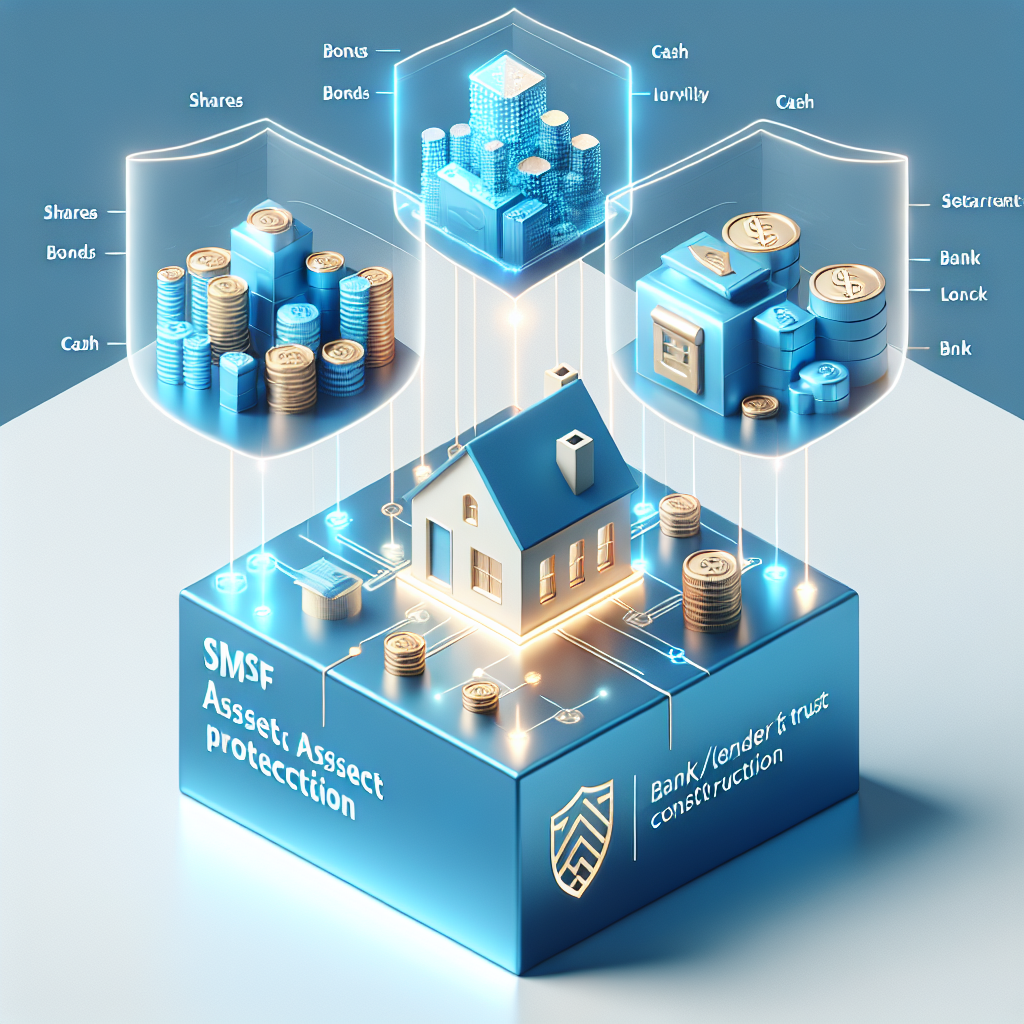
At its heart, an LRBA is straightforward. Your SMSF borrows money from a lender to purchase a single asset—typically a residential or commercial property. But here’s the crucial difference from a regular property loan: the asset itself is held in a separate bare trust (sometimes called a holder trust) until the loan is fully repaid.
Think of the bare trust as a temporary holding space. The trustee of this bare trust holds legal ownership of the property, but all the beneficial interest belongs to your SMSF. This means any rental income from the property flows directly to your SMSF, and your fund makes the loan repayments using this income plus regular super contributions if needed.
Once you’ve paid off the loan completely, the property transfers from the bare trust into your SMSF’s name. From that point forward, your fund owns it outright.
The “limited recourse” part is what makes this arrangement protective. If your SMSF can’t meet the loan repayments and defaults, the lender can only claim the property held in the bare trust. They cannot touch other assets your SMSF owns—whether that’s shares, cash, or other properties purchased without borrowing. Your exposure is limited to the asset you borrowed against.
Who Can Use an LRBA?
Not every SMSF qualifies for a limited recourse borrowing arrangement, and not every property purchase makes sense within this structure. Before you start looking at properties, you need to understand the eligibility requirements.
First, your SMSF’s trust deed must explicitly allow borrowing. Many older trust deeds don’t include this provision because LRBAs only became clearly permissible under super law in 2007. If your deed doesn’t allow borrowing, you’ll need to update it before proceeding.
Second, the arrangement must comply with the sole purpose test. This fundamental rule states that your SMSF must be maintained solely to provide retirement benefits to members. You can’t use SMSF property for personal holidays, you can’t live in it yourself, and you can’t let your children rent it at below-market rates. The property must be a genuine investment generating appropriate returns for your retirement.
Third, if you’re borrowing from a related party—like a family member or a company you control—the loan must be on arm’s-length terms. This means the interest rate, repayment schedule, and loan conditions must be comparable to what an independent commercial lender would offer. The Australian Taxation Office scrutinizes related-party loans carefully because they’re often used inappropriately.
Your SMSF’s investment strategy also needs to account for the borrowing. This strategy document should explain how the property fits with your overall retirement goals, how you’ll manage the debt, and what happens if rental income drops or interest rates rise.
Why Consider Property Through an LRBA?
For many SMSF trustees, property represents something tangible and familiar. Unlike shares or managed funds, you can see it, touch it, and understand how it generates income. But beyond this psychological comfort, there are genuine strategic benefits to incorporating property into your SMSF through an LRBA.
Diversification stands out as perhaps the most compelling reason. If your super fund currently holds mostly cash or Australian shares, adding property creates a different return stream. Property markets don’t always move in sync with equity markets, so this diversification can smooth out your overall returns over time.
An LRBA also offers controlled leverage. Instead of saving contributions for years until you have enough to buy a property outright, borrowing lets you enter the market sooner. The property can start generating rental income immediately, and you benefit from any capital growth from day one.
Consider this example: Your SMSF has $200,000 in cash. You could buy a modest property outright, or you could use that $200,000 as a deposit on a $500,000 property through an LRBA. If the property grows by 5% annually, the second scenario delivers a much larger dollar gain. Of course, you’re also paying interest on the loan, but in many cases, rental income covers most or all of those repayments.
The tax environment inside an SMSF enhances these benefits. Rental income is taxed at just 15% during the accumulation phase, and capital gains on assets held longer than 12 months receive a one-third discount, meaning your effective tax rate on gains is just 10%. Once your fund enters pension phase, the tax drops to zero.

The Risks You Need to Understand
Despite these advantages, an LRBA isn’t a free pass to property wealth. The risks are real and deserve serious consideration before you commit.
Market risk sits at the top of the list. Property values can fall, sometimes significantly. If you borrow 70% of a property’s value and the market drops 20%, your equity position deteriorates quickly. You still owe the same amount to the lender, but the asset securing that debt is worth less. If you need to sell during a downturn—perhaps because you can’t afford the repayments—you might not recover your initial investment.
Cash flow challenges create another layer of risk. Your SMSF needs to service the loan regardless of whether the property is tenanted. Vacancy periods happen, tenants sometimes default on rent, and properties require maintenance. Meanwhile, your loan repayments continue. If your fund doesn’t have sufficient cash reserves or regular contributions to cover these gaps, you risk defaulting on the loan.
The compliance complexity also trips up many SMSF trustees. Every decision involving the property must align with super law. You can’t make improvements that fundamentally change the asset’s character without potentially breaching the borrowing rules. You can’t switch the property’s use from commercial to residential mid-loan. You need to keep meticulous records of all transactions, maintain proper insurance, and ensure every expense is documented and justifiable.
Liquidity constraints matter too. Unlike shares that you can sell quickly if you need cash, property takes months to sell. If your SMSF needs funds urgently—perhaps to pay pension benefits or meet unexpected medical expenses—your property investment might leave you stuck.
Getting Compliance and Governance Right
The difference between a successful LRBA and a compliance disaster often comes down to documentation and ongoing monitoring. This isn’t an area where informal arrangements suffice.
Start with a formal loan agreement. Even if you’re borrowing from yourself or a related party, the loan must be documented in writing with clear terms covering the interest rate, repayment schedule, security arrangements, and what happens if the fund defaults. This document needs to reflect arm’s-length terms—meaning commercial rates and conditions.
The bare trust deed requires equal attention. This legal document establishes the holding trust and defines the relationship between the bare trustee, your SMSF, and the property. It needs to be properly executed and stored with your other SMSF records.
Regular monitoring for potential breaches is essential. At least annually, review whether the loan terms remain arm’s-length if it’s a related-party arrangement. Check that your investment strategy still reflects your borrowing. Confirm that all expenses are being properly paid from the right accounts—loan repayments from the SMSF, property expenses from rental income, and so on.
The arm’s-length requirement extends beyond interest rates. If the lender offers repayment holidays, flexible terms, or other conditions they wouldn’t extend to an independent borrower, you’ve likely created a compliance problem. The Australian Taxation Office can impose penalties, demand back-taxes on income earned through non-compliant arrangements, or even declare your SMSF non-complying—triggering a massive tax liability.
Insurance represents another governance fundamental. The property must be adequately insured, and many trustees also take out insurance to cover loan repayments if rental income drops. Make sure the insurance is in the bare trust’s name while the loan remains outstanding.
Your Practical Setup Checklist
If you’ve decided an LRBA makes sense for your situation, a methodical approach to setup prevents costly mistakes.
First, confirm your trust deed allows borrowing and update it if necessary. Work with an SMSF specialist lawyer or administrator—this isn’t something to handle with a template downloaded online.
Second, identify the specific property you want to purchase and ensure it meets the single acquirable asset test. Generally, this means one property on one title, though there are specific exceptions for certain unit trusts and subdivided properties.
Third, approach lenders who understand SMSF lending. Not all banks offer LRBA loans, and those that do often have stricter lending criteria than standard home loans. Specialist non-bank lenders like Aries Financial focus exclusively on SMSF lending and can often approve loans faster—sometimes within 1 to 3 business days—and offer competitive rates starting from 6.24% for principal and interest loans.
Fourth, engage a solicitor to establish the bare trust structure and prepare all necessary legal documents. This same solicitor should handle the property settlement, ensuring the asset is correctly titled in the bare trust’s name.
Fifth, document everything meticulously. Create a file containing the trust deed amendment, bare trust deed, loan agreement, property valuation, insurance policies, and your updated investment strategy. You’ll need these documents if the ATO ever audits your fund.
Sixth, establish clear processes for ongoing management. How will rent be collected? Who pays the loan repayments and when? How will you track deductible expenses versus non-deductible costs? Setting these systems up front saves confusion later.
Finally, plan your repayment strategy from day one. Many successful SMSF property investors aim to pay off the loan before they need to start drawing pensions. This ensures the property generates maximum income when they need it most.
Questions to Ask Your Advisers
Before committing to an LRBA, have detailed conversations with your financial adviser, mortgage broker, and accountant. Here are the questions that matter most.
Is an LRBA suitable given my fund’s current position and my retirement timeline? Someone five years from retirement faces different considerations than someone twenty years away.
What are the total costs involved? Beyond the property price, you’ll pay for legal fees, stamp duty, loan establishment fees, bare trust setup, ongoing administration, and potentially higher accounting costs. Make sure you understand the full financial commitment.
How much can my SMSF realistically borrow? Lenders typically cap LRBA loans at 70-80% of the property value, and they assess your fund’s ability to service the debt based on rental income and expected contributions. Don’t assume you can borrow the same amount as you could for a personal property purchase.
What happens if rental income falls short or vacancies stretch longer than expected? Stress-test your assumptions. Could your fund still meet repayments if the property sat vacant for three months? Six months?
How will this affect my ability to pay pensions later? Property provides rental income, but it doesn’t provide the liquidity that shares or cash do. Make sure your fund maintains sufficient liquid assets to meet benefit payments when members retire.
What’s the exit strategy? How and when do you plan to pay off the loan? Would you sell the property, transition it to pension phase and use rental income to gradually repay the debt, or rely on additional contributions? Having a clear exit plan prevents you from feeling trapped in an arrangement that no longer serves your goals.
Making the Decision with Confidence
A Limited Recourse Borrowing Arrangement represents a powerful tool for growing your retirement wealth through property investment. It offers protection by limiting your risk to the borrowed asset while still allowing you to benefit from leverage and diversification. But like any financial strategy, it demands careful planning, rigorous compliance, and honest assessment of your fund’s capacity to manage debt.
At Aries Financial, we’ve built our reputation on helping SMSF trustees navigate these decisions with integrity and expertise. We understand that your super represents decades of hard work and sacrifice. Our role isn’t just to provide financing—it’s to empower you with the knowledge and support you need to make informed choices about your financial future.
Whether an LRBA suits your situation depends on your individual circumstances, goals, and risk tolerance. But when implemented correctly, with proper advice and ongoing governance, it can be the smart way to buy property with your super—building wealth without risking everything you’ve worked so hard to accumulate.
The path to a comfortable retirement isn’t about taking unnecessary risks. It’s about making strategic decisions backed by expertise, maintaining disciplined compliance, and staying focused on the long-term goal of financial security. That’s the approach we champion at Aries Financial, and it’s the mindset that transforms good retirement outcomes into exceptional ones.